powered by
FreeFind
Hurst Castle Ferries
2010 images link to larger copies which open in a new
tab/window
In the 1970s , S.Crane and R.Pitt ran the
Felicity (1931) on cruises to Yarmouth and the Needles. By 1981
S.Crane (alone) was running Solent Rose (1) (1960, previously
Star Queen 3 at Hamble) and Wild Rose (1981) alongside
Felicity, which had been renamed Wight Rose. For 1983
the company was being marketed as Hurst Castle Ferry & Cruises had
added the Island Rose (1985, previously Maid Marion at
Southampton), and Wight Rose in place of Wild Rose. In
1991 the Haven Rose
(1970, previously the Maid of Brownsea at Poole) was added to
the fleet. Wight Rose was soon sold. In 1995 Solent Rose
(1) was replaced by
Solent Rose (2) (previously Maid of the Harbour of
Harvey's at Poole). She had been built in 1968 and at 94 passengers
became the largest boat in the fleet. Island Rose was withdrawn
in 2005, followed by the sale of
Haven Rose to G.H.Pill at Falmouth for the 2007 season. The
first of three Dutch-built small 12-passenger ferries arrived at this
time. These low draught vessels operate a shuttle service to Hurst
castle and they can berth at any tide. They are named
Catherine Rose,
Henrietta Rose
and
Victoria Rose. The company also operates the
Eleanor
Rose as a workboat to supply the lighthouse, although she is
licensed to carry passengers. They also have a fast RIB
Wightwater Rose and a smaller
open passenger ferry Rosebud
used as a water taxi.
To travel on these ferries visit:-
www.hurstcastle.co.uk/ferries.html
2004
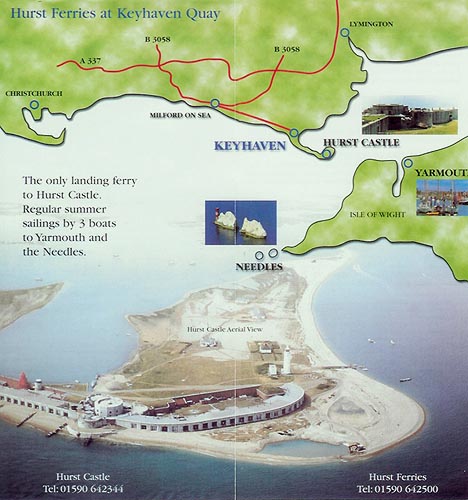
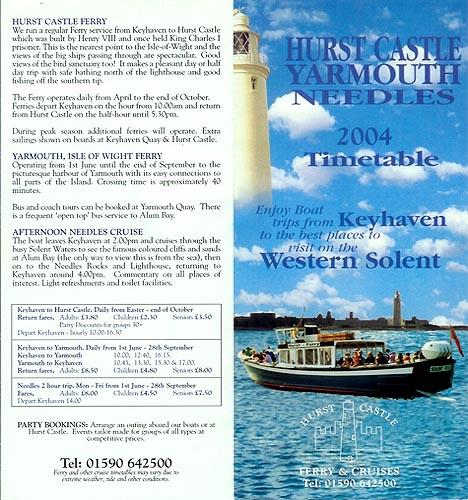
Sailing Brochure
Solent Rose (2)
Solent Rose (2) runs the longer trips
from Keyhaven to Yarmouth and the Needles. She is unable to dock at Hurst
Castle at low tide. She replaced Solent Rose (1)
in the fleet in 1995 and had previously been the Maid of the Harbour
of Harvey's at Poole. Solent Rose (2) was built in 1968 and at 94
passengers became the largest boat in the fleet.
To travel on this ferry visit:-
www.hurstcastle.co.uk/ferries.html
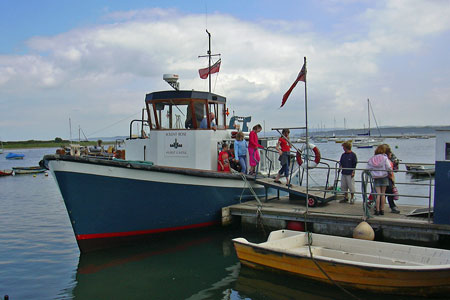
Solent Rose at Keyhaven
Photo: © Ian Boyle, 5th June 2004
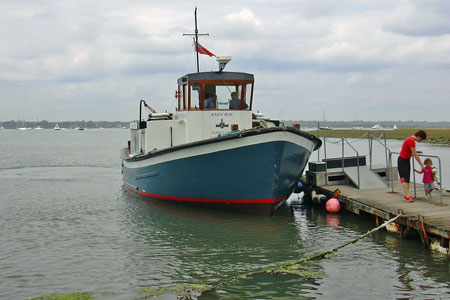
Solent Rose at Hurst Castle
Photo: © Ian Boyle, 5th June 2004
Solent Rose at Hurst Castle
Photo: © Ian Boyle, 5th June 2004
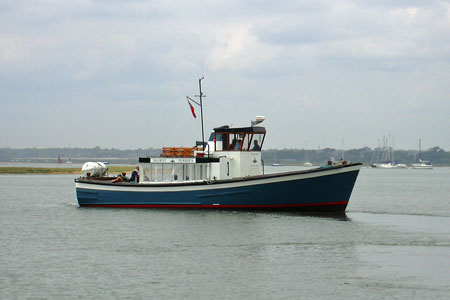
Solent Rose at Hurst Castle
Photo: © Ian Boyle, 5th June 2004
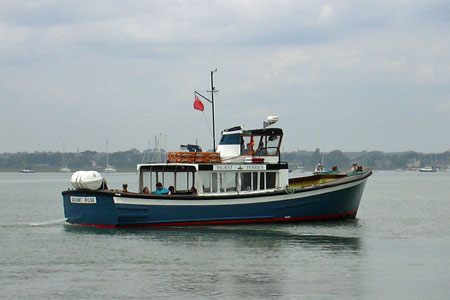
Solent Rose at Hurst Castle
Photo: © Ian Boyle, 5th June 2004
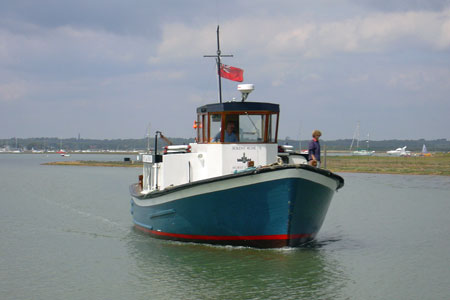
Solent Rose at Hurst Castle
Photo: © Ian Boyle, 5th June 2004
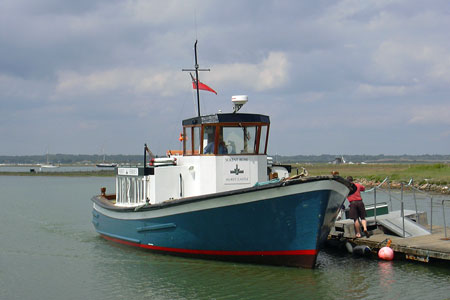
Solent Rose at Hurst Castle
Photo: © Ian Boyle, 5th June 2004
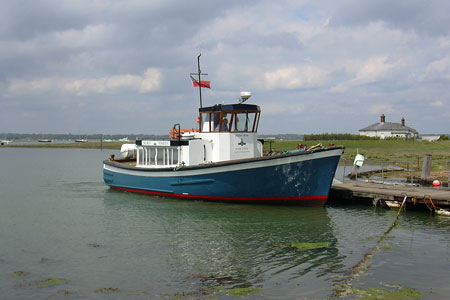
Solent Rose at Hurst Castle
Photo: © Ian Boyle, 5th June 2004
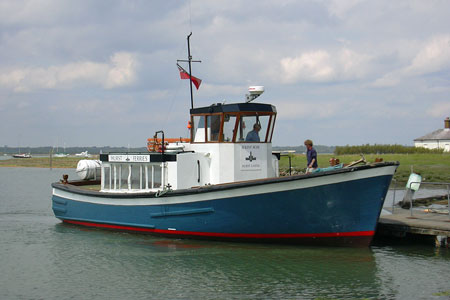
Solent Rose at Hurst Castle
Photo: © Ian Boyle, 5th June 2004
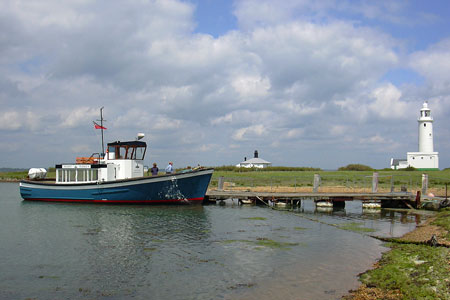
Solent Rose at Hurst Castle
Photo: © Ian Boyle, 5th June 2004
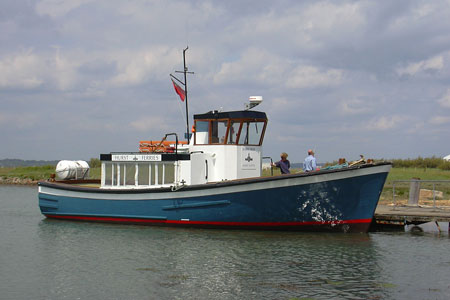
Solent Rose at Keyhaven
Photo: © Ian Boyle, 5th June 2004
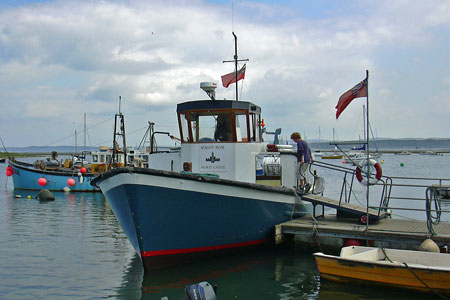
Solent Rose returning to
Keyhaven on her morning cruise to Yarmouth
Photo: © Ian Boyle, 22nd June 2010
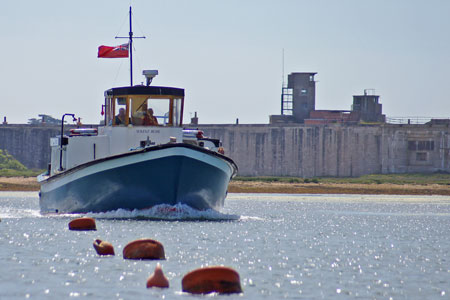
Solent Rose returning to Keyhaven on her
morning cruise to Yarmouth
Photo: © Ian Boyle, 22nd June 2010
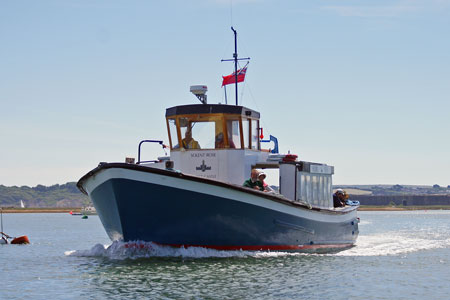
Solent Rose returning to Keyhaven on her
morning cruise to Yarmouth
Photo: © Ian Boyle, 22nd June 2010
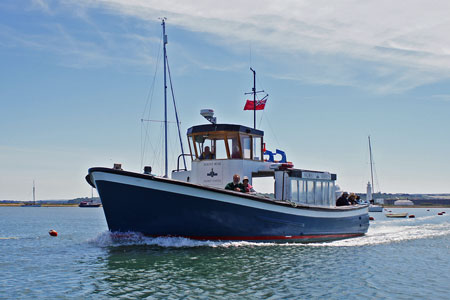
Solent Rose returning to Keyhaven on her
morning cruise to Yarmouth
Photo: © Ian Boyle, 22nd June 2010
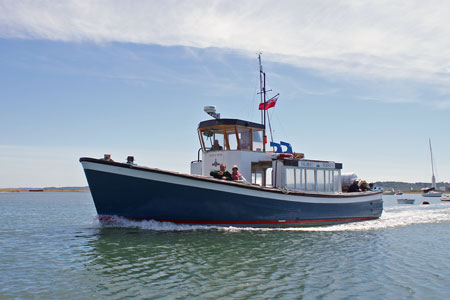
Solent Rose returning to Keyhaven on her
morning cruise to Yarmouth
Photo: © Ian Boyle, 22nd June 2010
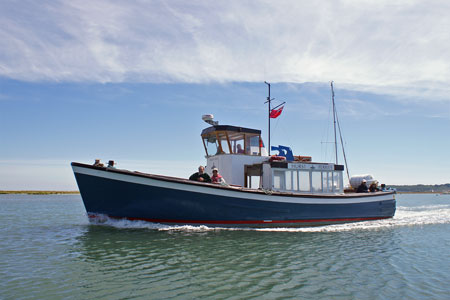
Solent Rose on a late morning cruise
from Keyhaven to the Needles
Photo: © Ian Boyle, 22nd June 2010
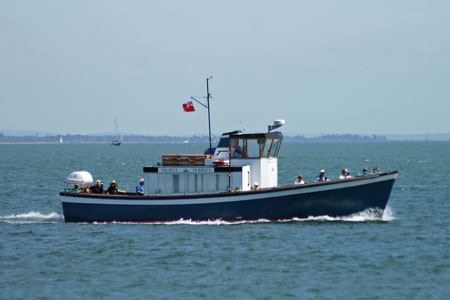
Solent Rose on a late morning cruise
from Keyhaven to the Needles
Photo: © Ian Boyle, 22nd June 2010
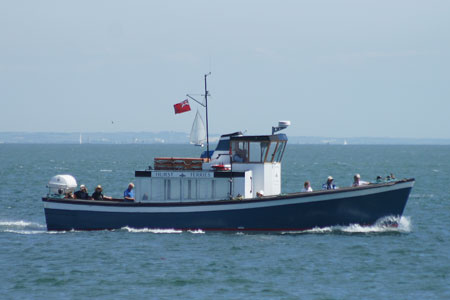
Solent Rose on a late morning cruise
from Keyhaven to the Needles
Photo: © Ian Boyle, 22nd June 2010
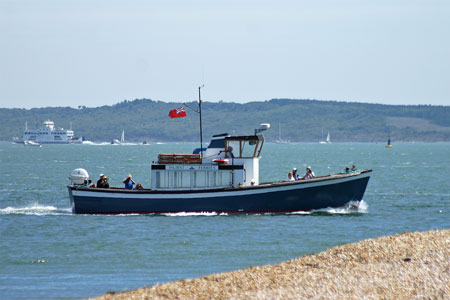
Catherine Rose returning to Keyhaven
from Hurst Castle
Photo: © Ian Boyle, 22nd June 2010
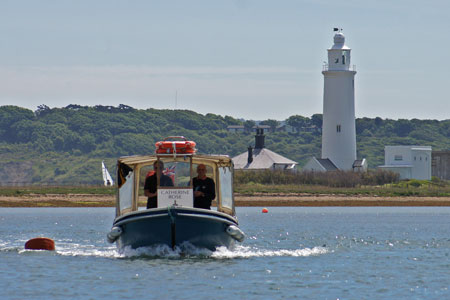
Catherine Rose returning to Keyhaven
from Hurst Castle
Photo: © Ian Boyle, 22nd June 2010
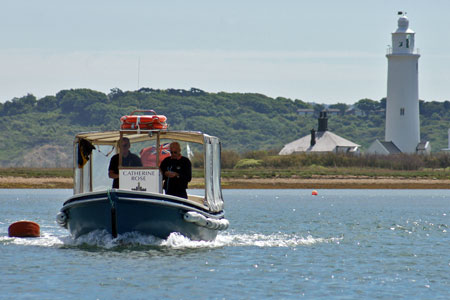
Catherine Rose returning to Keyhaven
from Hurst Castle
Photo: © Ian Boyle, 22nd June 2010
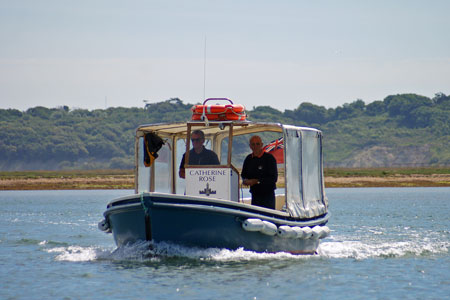
Catherine Rose returning to Keyhaven
from Hurst Castle
Photo: © Ian Boyle, 22nd June 2010
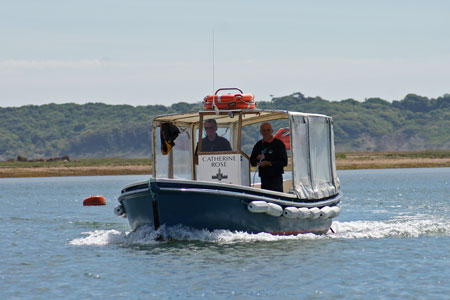
Catherine Rose returning to Keyhaven
from Hurst Castle
Photo: © Ian Boyle, 22nd June 2010
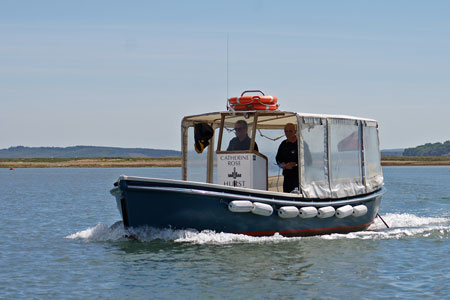
Catherine Rose arriving at Hurst Castle
Photo: © Ian Boyle, 22nd June 2010
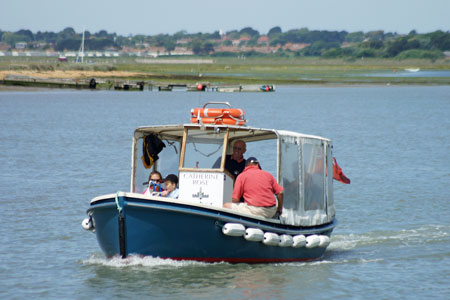
Catherine Rose arriving at Hurst Castle
Photo: © Ian Boyle, 22nd June 2010
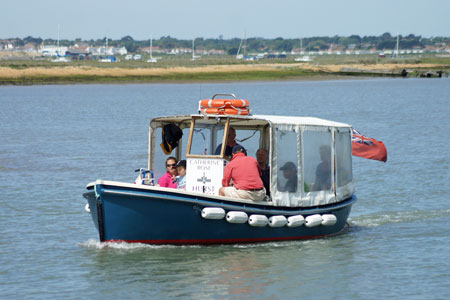
Catherine Rose arriving at Hurst Castle
Photo: © Ian Boyle, 22nd June 2010
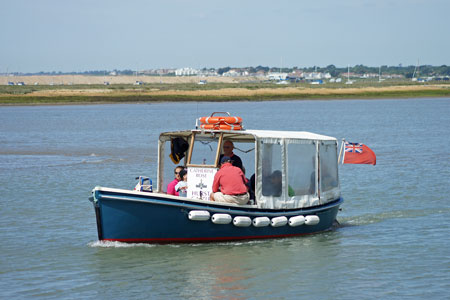
Catherine Rose arriving at Hurst Castle
Photo: © Ian Boyle, 22nd June 2010
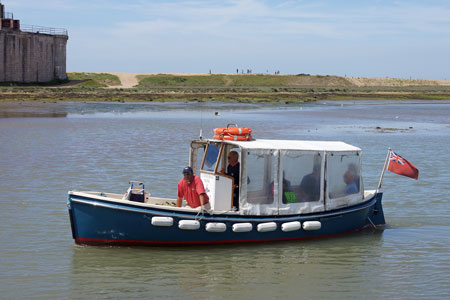
Catherine Rose arriving at Hurst Castle
Photo: © Ian Boyle, 22nd June 2010
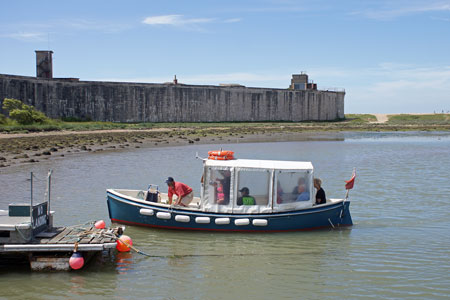
Catherine Rose at Hurst Castle
Photo: © Ian Boyle, 22nd June 2010
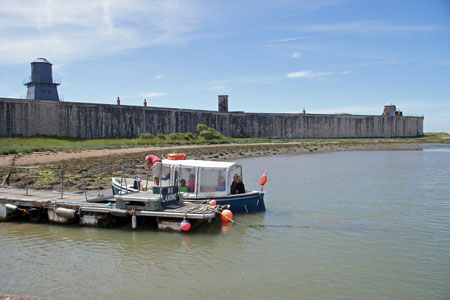
Catherine Rose at Hurst Castle
Photo: © Ian Boyle, 22nd June 2010
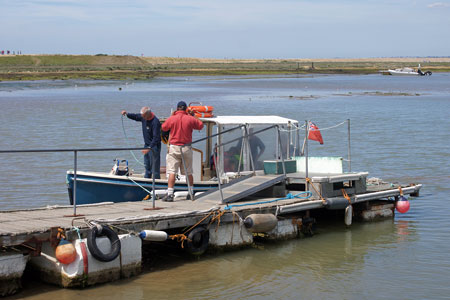
Catherine Rose at Hurst Castle
Photo: © Ian Boyle, 22nd June 2010
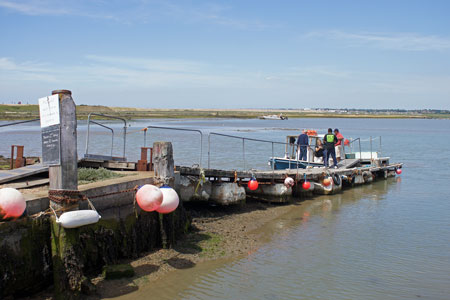
Catherine Rose at Hurst Castle
Photo: © Ian Boyle, 22nd June 2010
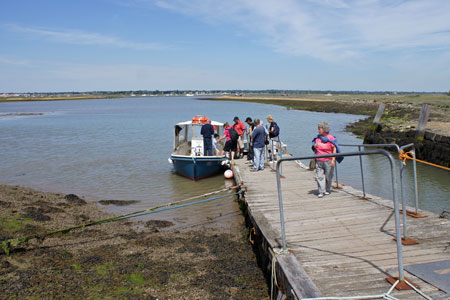
Catherine Rose at Hurst Castle
Photo: © Ian Boyle, 22nd June 2010
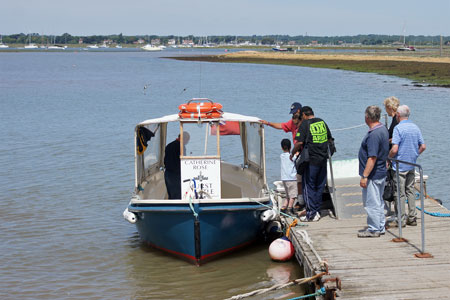
Catherine Rose at Hurst Castle
Photo: © Ian Boyle, 22nd June 2010
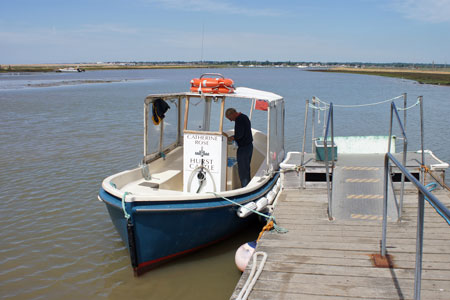
Catherine Rose at Hurst Castle
Photo: © Ian Boyle, 22nd June 2010
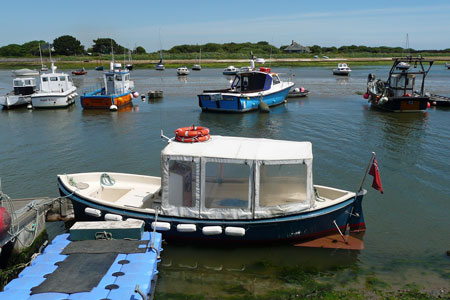
Henrietta Rose returning to Keyhaven
from Hurst Castle
Photo: © Ian Boyle, 22nd June 2010
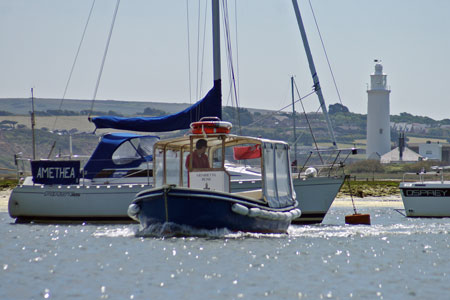
Henrietta Rose returning to Keyhaven
from Hurst Castle
Photo: © Ian Boyle, 22nd June 2010
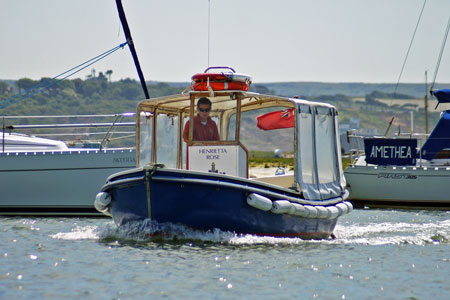
Henrietta Rose returning to Keyhaven
from Hurst Castle
Photo: © Ian Boyle, 22nd June 2010
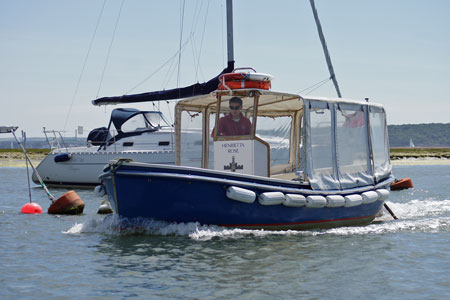
Henrietta Rose leaving Hurst Castle
Photo: © Ian Boyle, 22nd June 2010
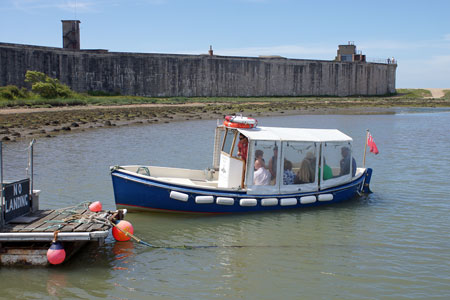
Henrietta Rose leaving Hurst Castle
Photo: © Ian Boyle, 22nd June 2010
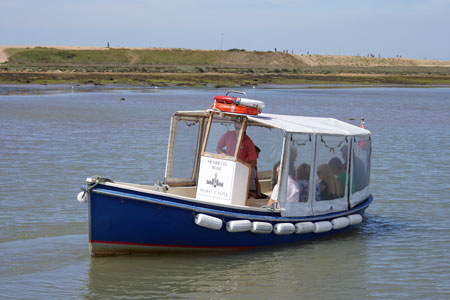
Henrietta Rose leaving Hurst Castle
The fast RIB in the background is also owned by the company -
Photo: © Ian Boyle, 22nd June 2010
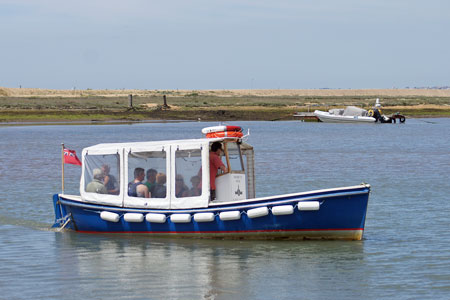
Henrietta Rose leaving Hurst Castle
The fast RIB in the background is also owned by the company -
Photo: © Ian Boyle, 22nd June 2010
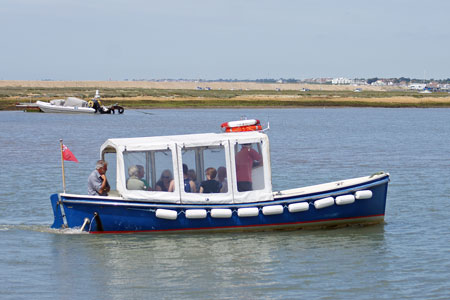
Henrietta Rose leaving Hurst Castle
Photo: © Ian Boyle, 22nd June 2010
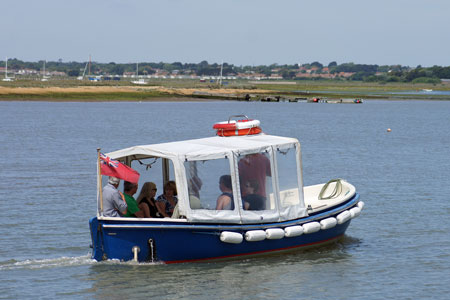
Henrietta Rose arriving at Hurst Castle
Photo: © Ian Boyle, 22nd June 2010
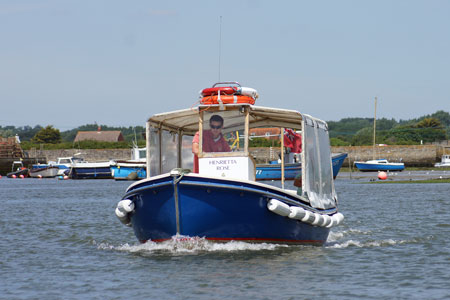
Henrietta Rose arriving at Hurst Castle
Photo: © Ian Boyle, 22nd June 2010
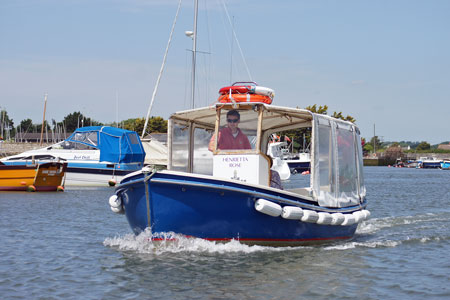
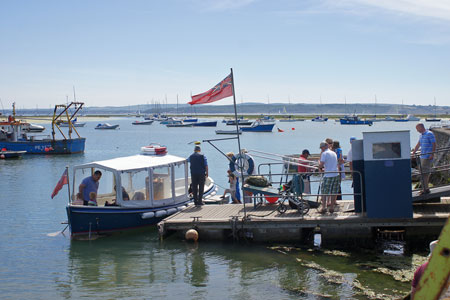
Victoria Rose at Keyhaven
Photo: © Ian Boyle, 22nd June 2010
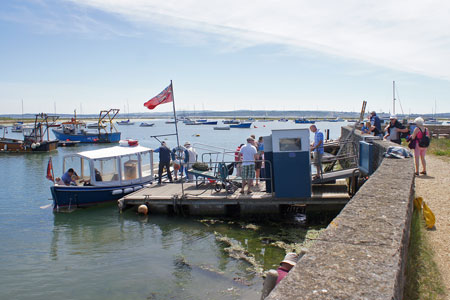
Victoria Rose at Keyhaven
Photo: © Ian Boyle, 22nd June 2010
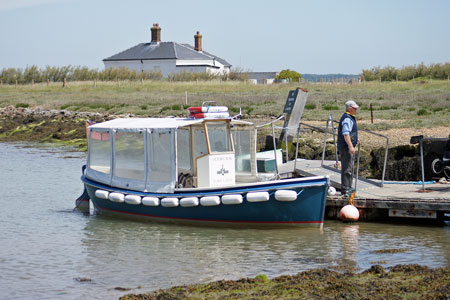
Victoria Rose at Hurst Castle
Photo: © Ian Boyle, 22nd June 2010
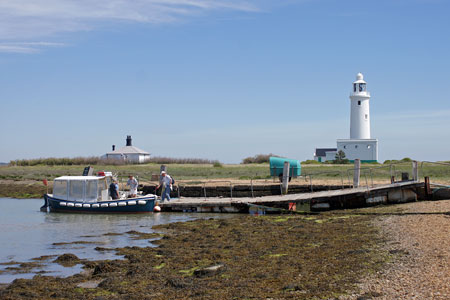
Victoria Rose at Hurst Castle
Photo: © Ian Boyle, 22nd June 2010
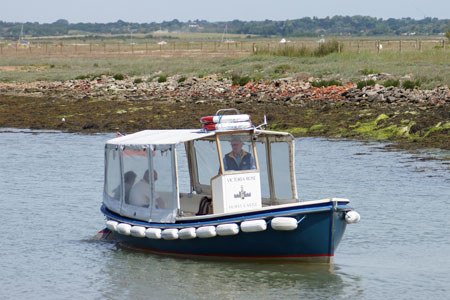
Victoria Rose leaving Hurst Castle
Photo: © Ian Boyle, 22nd June 2010
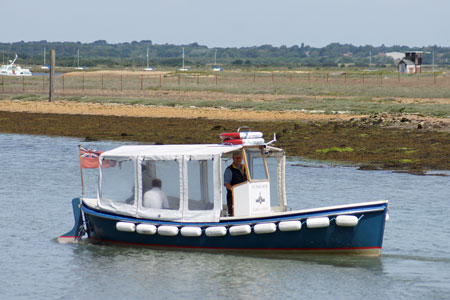
Victoria Rose leaving Hurst Castle
Photo: © Ian Boyle, 22nd June 2010
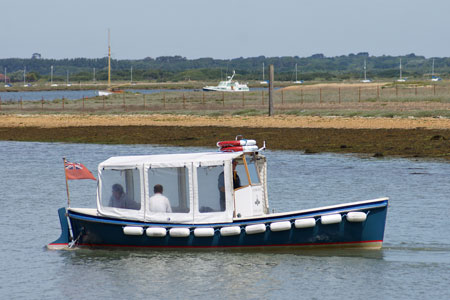
Victoria Rose leaving Hurst Castle
Photo: © Ian Boyle, 22nd June 2010
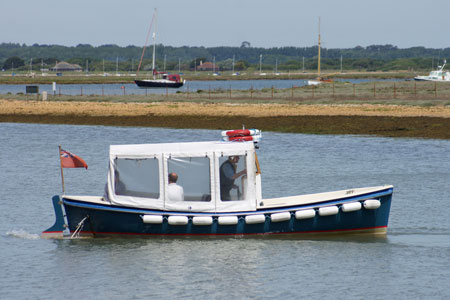
Victoria Rose leaving Hurst Castle
Photo: © Ian Boyle, 22nd June 2010
Victoria Rose arriving at Hurst Castle
Photo: © Ian Boyle, 22nd June 2010
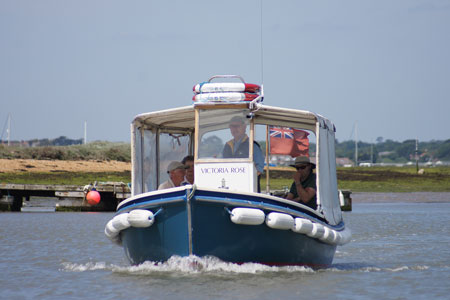
Victoria Rose arriving at Hurst Castle
Photo: © Ian Boyle, 22nd June 2010
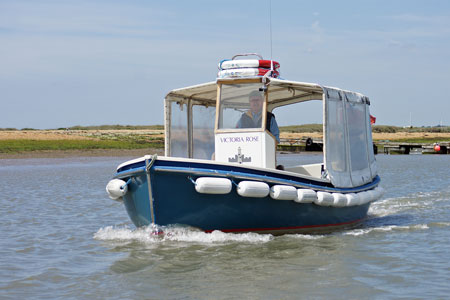
Eleanor Rose is a workboat with 12
passenger license owned since 2009. One of her uses is supplying the
Hurst Lighthouse for which the company have the contract. Eleanor Rose
replaced the Felicity Rose.
To travel on this ferry visit:-
www.hurstcastle.co.uk/ferries.html
Eleanor Rose moored off Hurst Castle
Photo: © Ian Boyle, 22nd June 2010
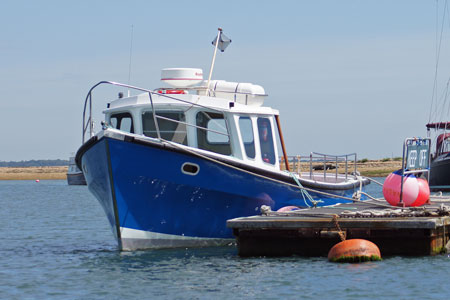
Eleanor Rose moored off Hurst Castle
Photo: © Ian Boyle, 22nd June 2010
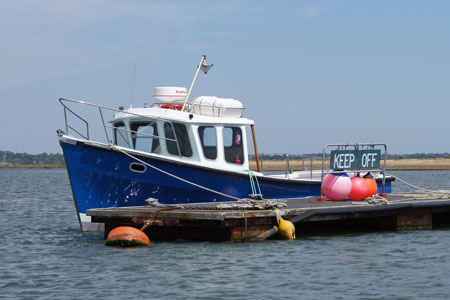
Eleanor Rose moored off Hurst Castle
Photo: © Ian Boyle, 22nd June 2010
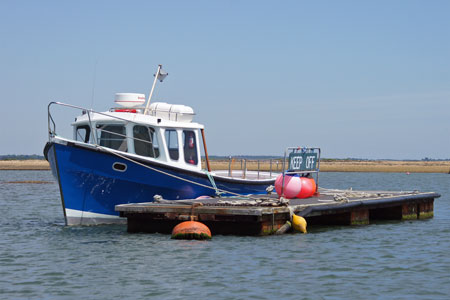
The water taxi Rosebud moored off Keyhaven
Photo: © Ian Boyle, 22nd June 2010
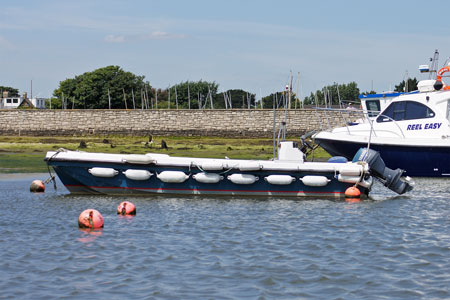
The water taxi Rosebud moored off Keyhaven
Photo: © Ian Boyle, 22nd June 2010
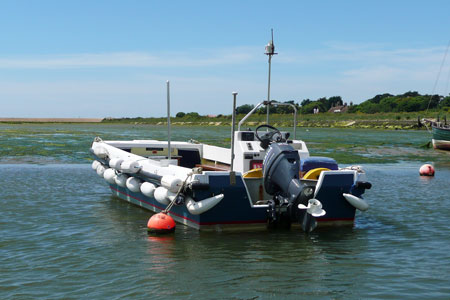
The water taxi Rosebud moored off Keyhaven
Photo: © Ian Boyle, 22nd June 2010
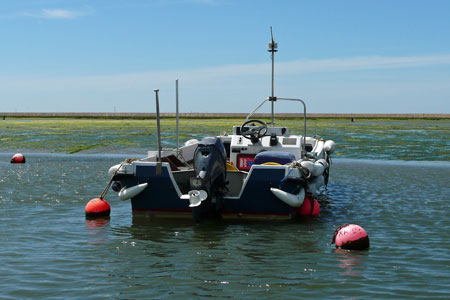
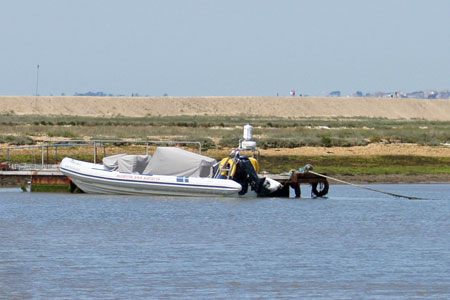
Wightwater Rose is a fast RIB. She is used to
transport personnel to the lighthouse and is also available for charter.
To travel on
this vessel visit:-
www.hurstcastle.co.uk/ferries.html
Wightwater Rose moored near Hurst Castle
Photo: © Ian Boyle, 22nd June 2010 - this image
does NOT link to a larger copy
Haven Rose
(Not in 2010 fleet)
In
1991 the Haven Rose
(1970, previously the Maid of Brownsea at Poole) was added to
the fleet. She has since been sold to G.H.Pill at Falmouth for the 2007
season, where she ran cruises from Prince of Wales Pier to the Helford
River. In 2010 she has been renamed Medina Mist and carries 12
passengers only.
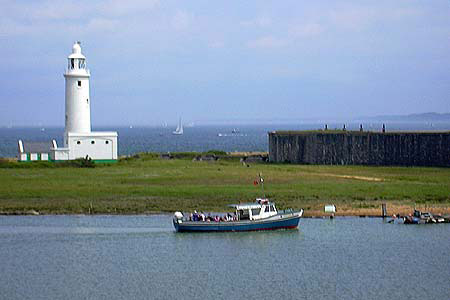
Haven Rose arriving at Hurst Castle
Photo: © Ian Boyle, 5th June 2004 - this image
does NOT link to a larger copy
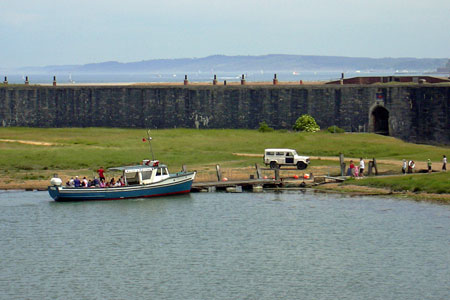
Haven Rose at Hurst Castle
Photo: © Ian Boyle, 5th June 2004
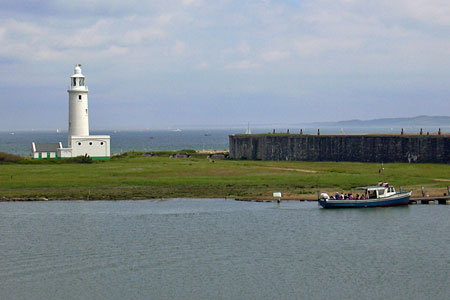
Haven Rose at Hurst Castle
Photo: © Ian Boyle, 5th June 2004
Haven Rose at Hurst Castle
Photo: © Ian Boyle, 5th June 2004
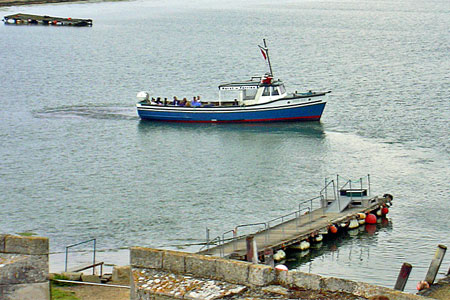
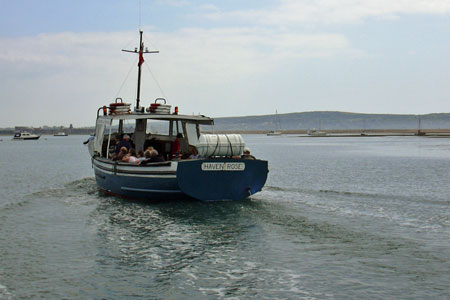
Haven Rose leaving Hurst Castle
Photo: © Ian Boyle, 5th June 2004
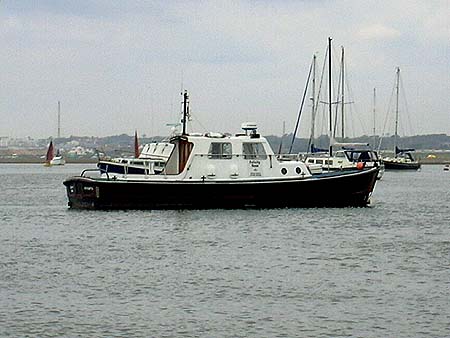
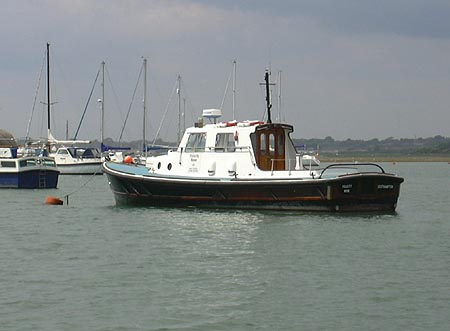
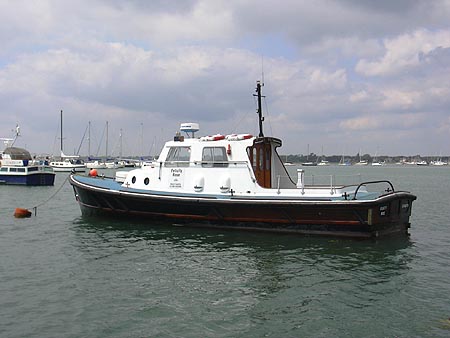
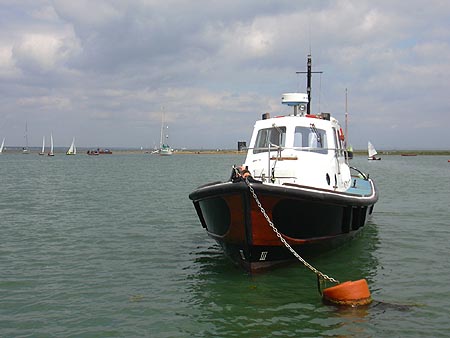
Felicity Rose
(Not in 2010
fleet)
Felicity Rose was
used to support the lighthouse. She has been replaced by
Eleanor Rose.
Felicity
Rose
moored near Hurst Castle on 5th June 2004.
Photo:
© Ian Boyle.
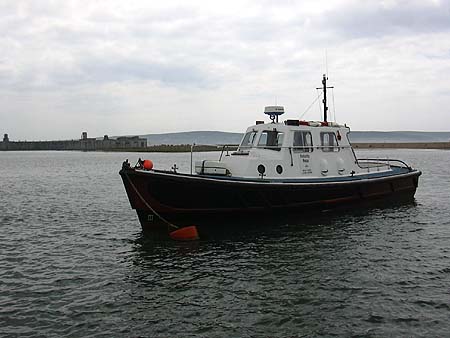
Felicity
Rose
moored near Hurst Castle on 5th June 2004.
Photo:
© Ian Boyle.
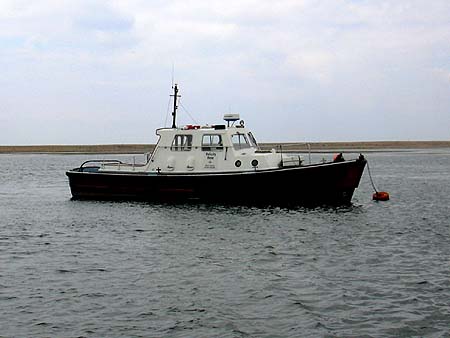
Felicity
Rose
moored near Hurst Castle on 5th June 2004.
Photo:
© Ian Boyle.
Felicity
Rose
moored near Hurst Castle on 5th June 2004.
Photo:
© Ian Boyle.
Felicity
Rose
moored near Hurst Castle on 5th June 2004.
Photo:
© Ian Boyle.
Felicity
Rose
moored near Hurst Castle on 5th June 2004.
Photo:
© Ian Boyle.
Hurst Castle
The core of the present
castle was built by Henry Vlll between 1541 - 44 in response
to the threat of invasion posed by the European Catholic powers.
The building comprised of a central twelve sided keep surrounded
by three bastions linked by a curtain wall. Its location was
ideal for defending the western passage into the Solent and the
naval cities of Southampton and Portsmouth. During the Civil
War (1642 - 6) it was held by Parliament and in December 1648
became, for three weeks, the prison of Charles l.
Although never to see
action, Hurst was periodically refurbished in order to keep up
with advances in fortifications and naval technology. The vaulted
ceilings in the Tudor keep were built in 1803 - 6 to support
the weight of the new guns positioned on the roof. At the same
time the roof of the basement was also strengthened to protect
the magazine.
The major structural changes
that took place in the nineteenth century resulted in the Castle
as it appears today. From 1861 onwards the East and West wings
were built in response to the new faster, iron-hulled ships such
as the Warrior (currently on display in Portsmouth's Historic
Naval Base). Only thirty years later, in 1893, this massive weaponry
was superseded by a battery of three quick firing guns. The remains
of this emplacement can still be seen outside the fort at the
end of the east wing.
Hurst was garrisoned in
both world wars and formed part of the Coastal Artillery defences
until 1956. Remains of twentieth century armaments can be seen
on the roof of the west wing.
These history notes are
from the Hurst Castle website:
www.hurstcastle.co.uk.
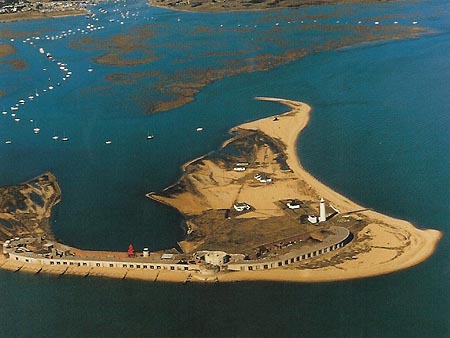
Aerial
view of Hurst Castle, showing Henry VIII's central keep and the
east and west wings added in the 1880s.
The
approximate route of the tramway outside the castle can be seen
behind the east wing (right), passing the lighthouse to the sea.
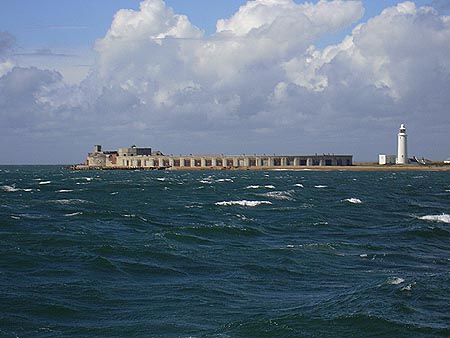
Approaching
Hurst Castle from the Solent, seen from the SS Shieldhall on a Round Isle of Wight
cruise.
Photo:
© Ian Boyle, 11th September 2004.
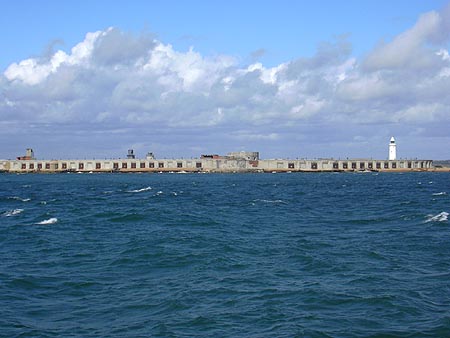
Hurst
Castle seen from the
SS Shieldhall.
Photo:
© Ian Boyle, 11th September 2004.
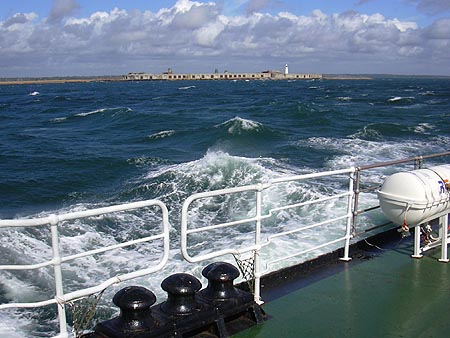
The
seaward side of Hurst Castle seen from the SS Shieldhall.
Photo:
© Ian Boyle, 11th September 2004.
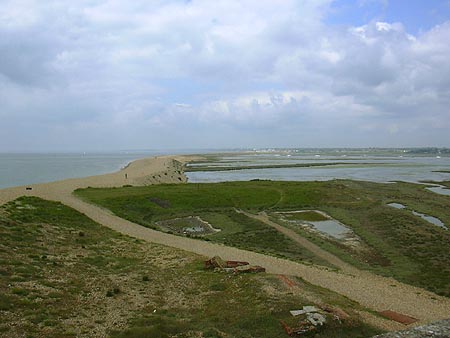
Hurst
Spit looking toward the mainland from the Castle.
Photo: © Ian
Boyle, 5th June 2004.
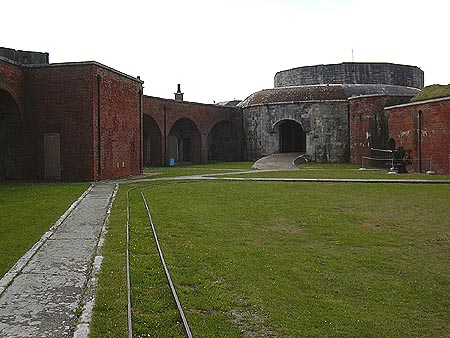
Hurst
Castle keep from the east wing.
Photo:
© Ian Boyle, 5th June 2004.
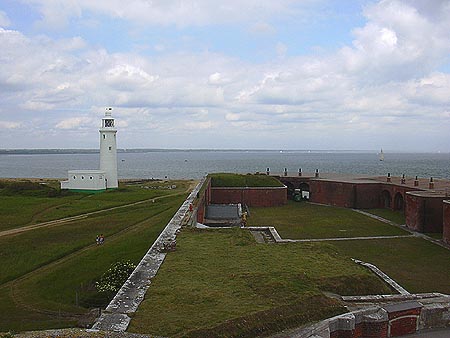
Hurst
Castle east wing from the keep.
Photo:
© Ian Boyle, 5th June 2004.
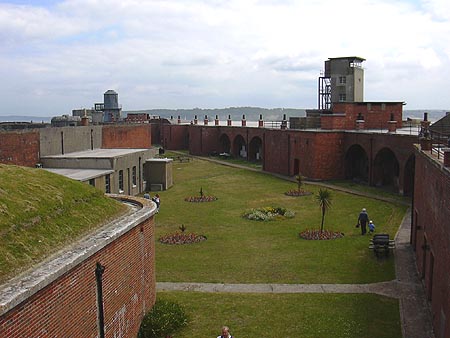
Hurst
Castle west wing looking towards the keep.
Photo:
© Ian Boyle, 5th June 2004.
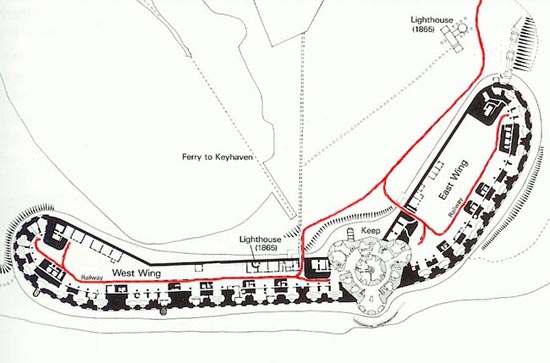
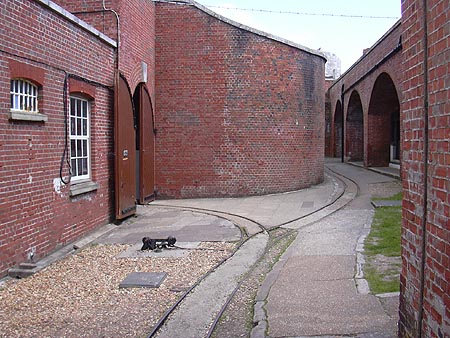
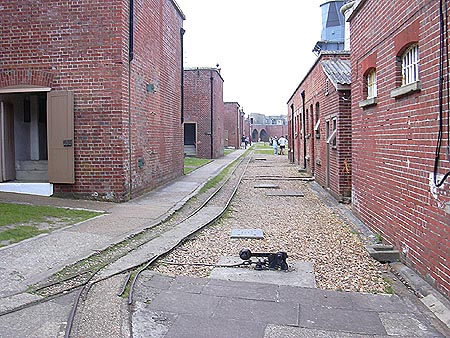
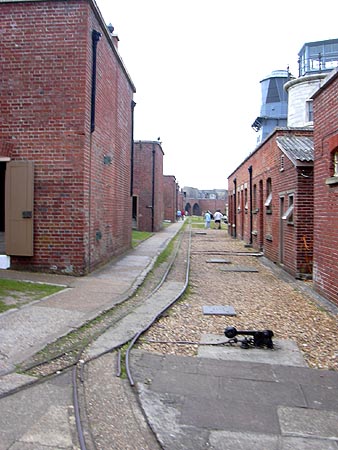
Hurst Castle Tramway
An 18ins gauge
tramway was built at Hurst Castle to transport stores and ammunition
around the site. Separate branches entered the east and west
wings through the main gateways, and ran to a pier outside the
castle (just off the plan below - the tramway is shown in red).
The tramway was laid around 1895, and donkeys were used to pull
the ammunition and stores wagons - locomotives were never provided.
Plan
of Hurst Castle and the tramway (in red).
Copyright
Historic Buildings and Monuments Commission for England.
The
tramway running along the back of the gun batteries, with the
junction to the west wing gateway.
Photo:
© Ian Boyle, 5th June 2004.
The
tramway running along the back of the gun batteries, looking
west.
Photo:
© Ian Boyle, 5th June 2004.
The
tramway running along the back of the gun batteries, looking
west.
Photo:
© Ian Boyle, 5th June 2004.
View
in the opposite direction, looking east, from where the photo
above was taken.
Photo:
© Ian Boyle, 5th June 2004.
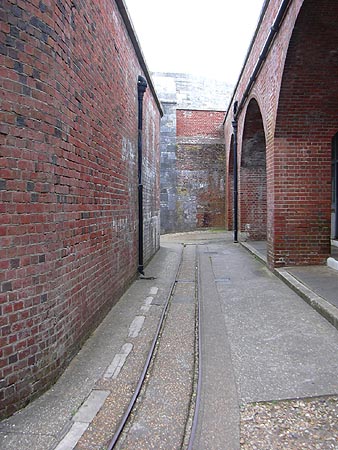
The
tramway running along the back of the gun batteries, looking
west.
Photo:
© Ian Boyle, 5th June 2004.
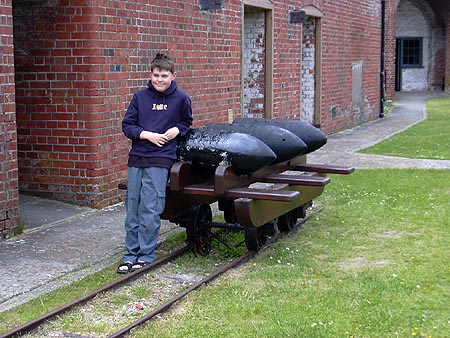
Replica
tramway wagon with shells.
Donkeys
were used to pull the trucks, no locomotives were ever provided.
Photo:
© Ian Boyle, 5th June 2004.
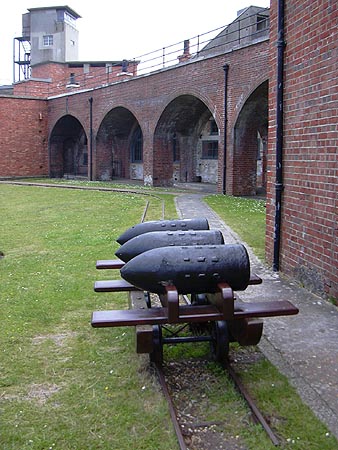
Replica
tramway wagon with shells.
Photo:
© Ian Boyle, 5th June 2004.
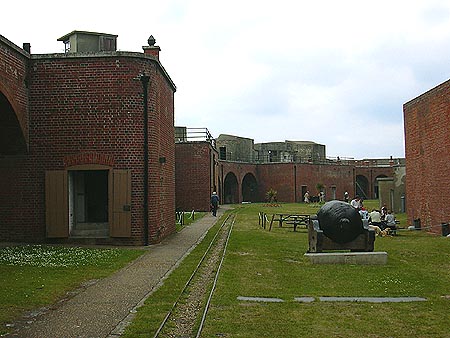
The
tramway running along the back of the gun batteries, looking
east.
Photo:
© Ian Boyle, 5th June 2004.
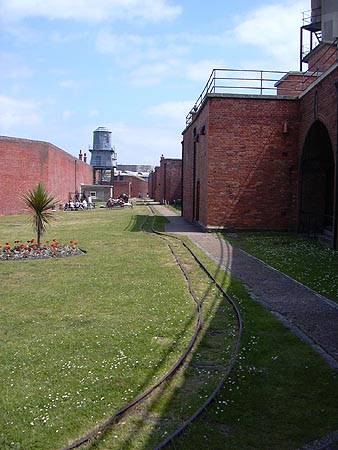
The
tramway tracks to the gateway in the east wing of the castle.
Photo:
© Ian Boyle, 5th June 2004.
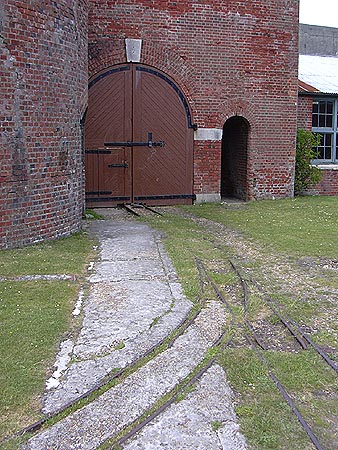
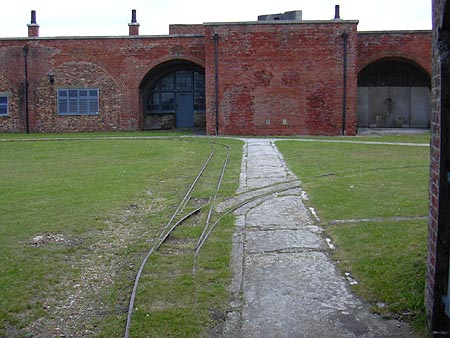
The
tramway tracks in the east wing of the castle, viewed from the
east gateway.
Photo:
© Ian Boyle, 5th June 2004.
Lighthouses
Hurst Point Lighthouse,
Position 50 42'. 44 N 01 32'.94 W, guides vessels through the
hazardous western approaches to the Solent, indicating the line
of approach through the Needles Channel.
Although it is said that
a light was shown on Hurst Point as early as 1733, the first
Trinity House record relates to a meeting of shipmasters and
merchants in 1781 to approve the terms of a formal petition to
Trinity House for lights in the neighbourhood of the Isle of
Wight. As a result a patent was obtained in January 1782 which
stated that "ships and vessels have been lost... and the
lives, ships and goods of His Majesty's subjects as well as the
King's Royal Navy continue to be exposed to the like calamities
more especially in the night time and in hard southerly gales".
The patent directed that the lights should be "kept burning
in the night season whereby seafaring men and mariners might
take notice of and avoid dangers..... and ships and other vessels
of war might safely cruise during the night season in the British
Channel".
In 1785, negotiations
with Tatnell fell through and Trinity House erected to the designs
of R. Jupp three lighthouses at the Needles, St. Catherine's
Point and Hurst. The Hurst Tower, sited to the south west of
the old Hurst Castle, was lit for the first time on 29th September
1786. In due course, however, shipping found that this light
was obscured from certain directions and the Corporation constructed
in 1812 an additional and higher light, both to remedy this defect
and to give a guiding line to vessels. Extensive additions were
made to the castle between 1865 and 1873 necessitating the repositioning
of the lights.
In 1866, a new lighthouse
which was called the Low Light, was built to replace the old
Hurst Tower. The new lighthouse consisted of a white circular
granite tower with a red lantern. This light was replaced in
1911 with a new Low Lighthouse, a red square metal structure
standing on a framework of steel joists attached to the wall
of Hurst Castle. The 1812 High Lighthouse was also replaced in
1867 by the 26 metre tower which is still working today.
A major modernisation
of Hurst Point High Lighthouse was completed in July 1997. Prompted
by the growth in volume and diversity of traffic using the Needles
Channel and following extensive consultation with the marine
community, high intensity projectors were installed on Hurst
High Lighthouse. These are exhibited day and night to mark the
channel between the Needles and the Shingles Bank. The projectors,
sited in the service room below the lantern of the High Lighthouse,
provide an accurate system of red, green and white directional
lights giving precise cut offs over narrow arcs of visibility
which can be realigned in the event of movement of the Shingles
Bank.
The main light at Hurst
High still uses the unusual first order lens which is separated
into sectors of different focal lengths with a red sector provided
by shades inside the lantern. The acetylene light source has
been replaced by standard Trinity House electrically powered
equipment. The Low Lighthouse, which was built on the wall of
Hurst Castle, was decommissioned and painted grey to match the
surrounding background colours in order to eliminate navigational
confusion.
These lighthouse notes
are from the Hurst Castle website:
www.hurstcastle.co.uk.
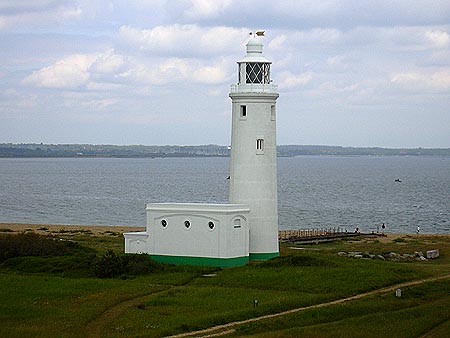
The
High Lighthouse of 1867.
Photo:
© Ian Boyle, 5th June 2004.
The
Low Light of 1866 is on the right, with its 1911 metal replacement
behind.
Photo:
© Ian Boyle, 5th June 2004.
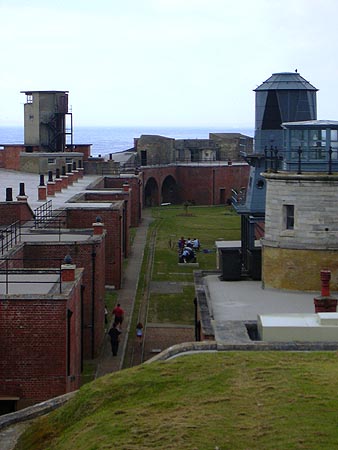
The
Low Light of 1911.
Photo:
© Ian Boyle, 5th June 2004.
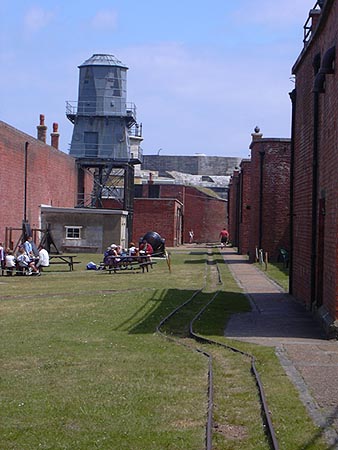
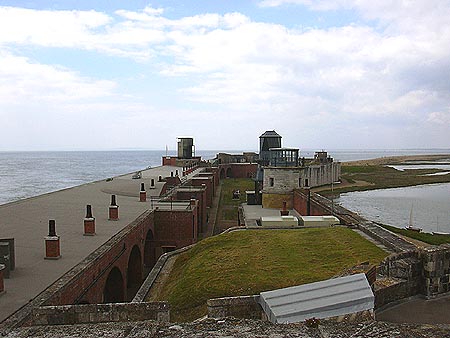
View
of the west wing from the keep, with the Low Light of 1866, and
its 1911 metal replacement behind.
Photo:
© Ian Boyle, 5th June 2004.
Ferry
Postcards
-
Cruise
Ship Postcards
-
Ocean
Liner Postcards
Top
of Page
-
Simplon Postcards Home Page