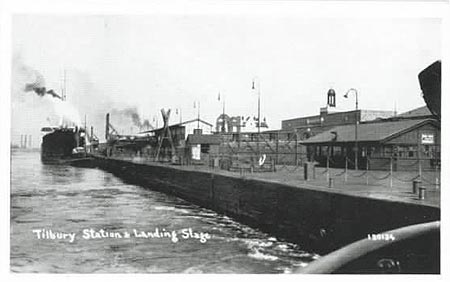
Photographic
postcard of Tilbury Riverside
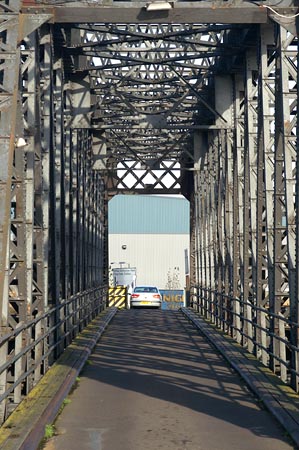
The
vehicle bridge to the ferry pontoon at Tilbury RiversidePhoto:
© Ian Boyle, 4th January 2007 - Images link to larger copies
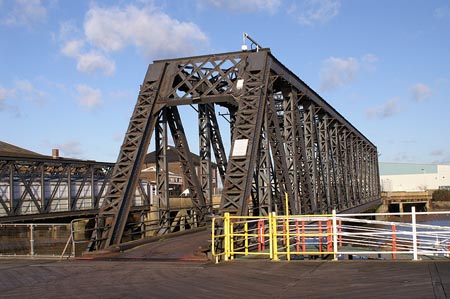
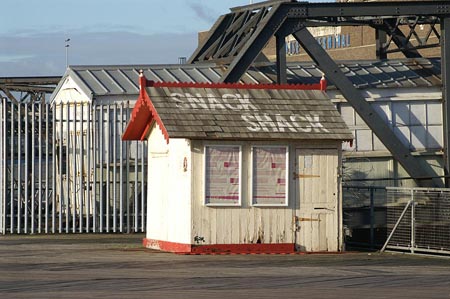
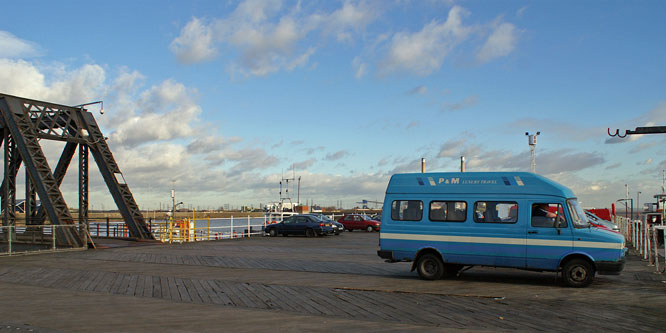
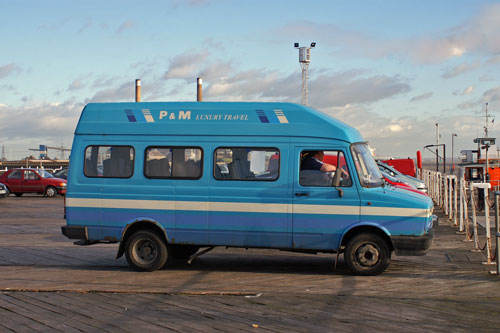
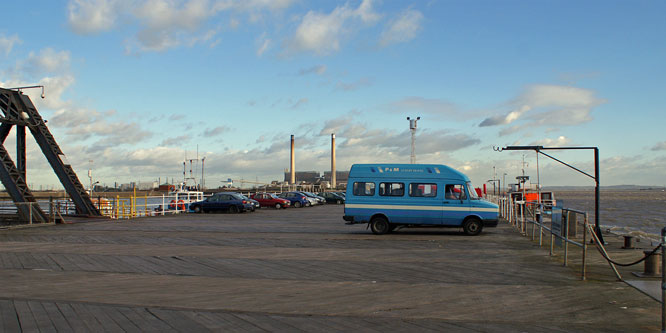
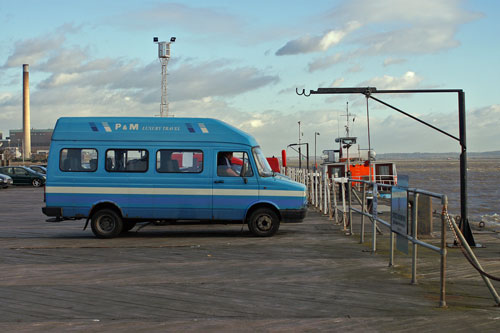
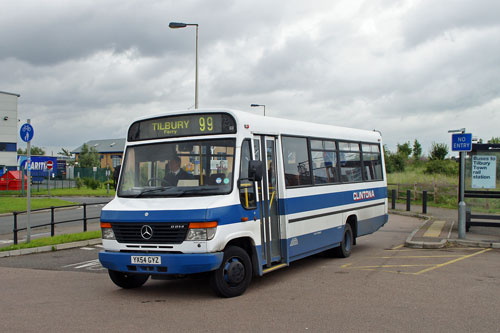
Rail Replacement
mini-bus at Tilbury Riverside
A bus service replaced the trains from Tilbury Town to Tilbury Riverside
when the branch was closed. Initially, standard-sized single deck buses were
used.
In January 2007, a small mini-bus was in used which could drive
down onto the ferry pontoon.
Photo:
© Ian Boyle, 4th January 2007 - Images link to larger copies
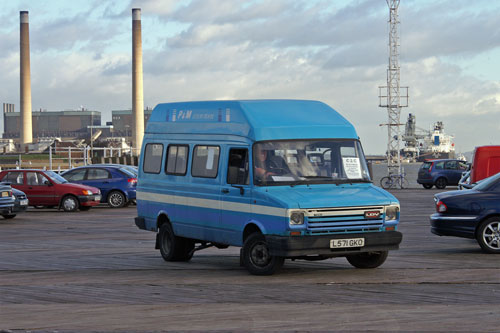
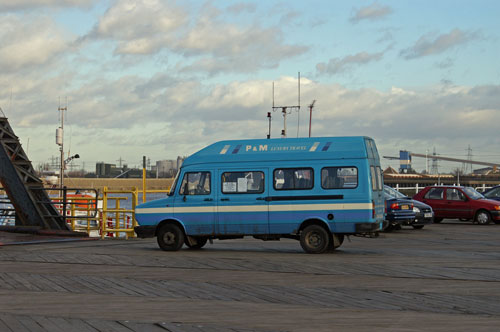
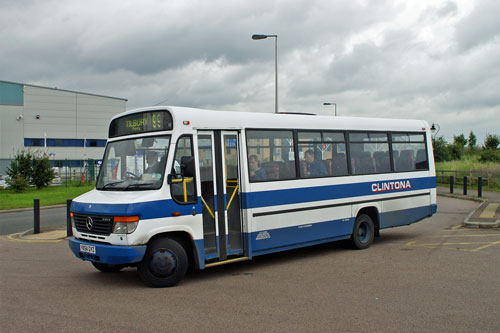
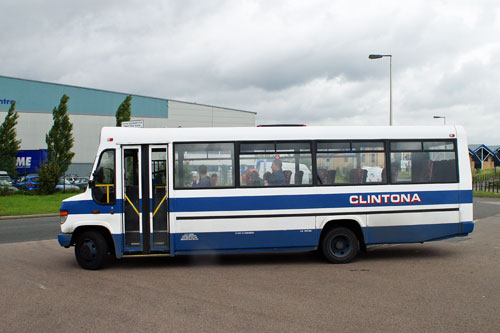
Rail Replacement bus at
Tilbury Riverside
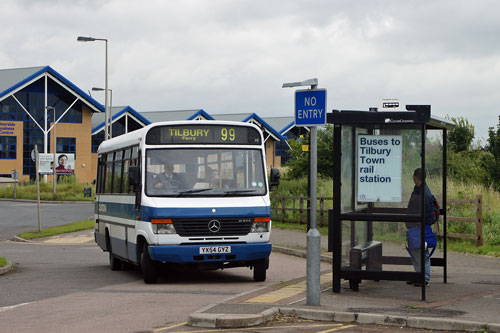
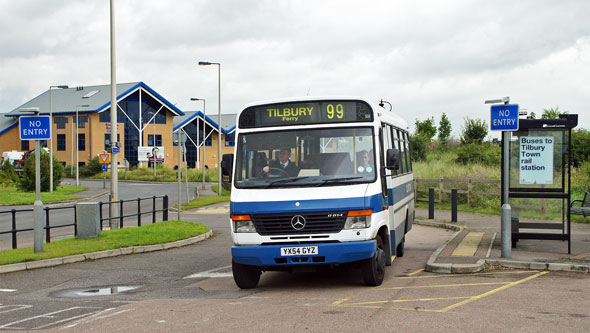
In
2012, Clintonia were running midi-buses to the top of the pier
Photo: ©
Ian Boyle, 16th July 2012 - Images link to larger copies
Duchess
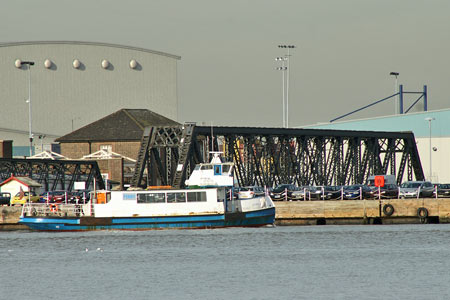
M at
Tilbury (spring tide)Photo:
© Ian Boyle, 22nd January 2008 - Image links to larger copies
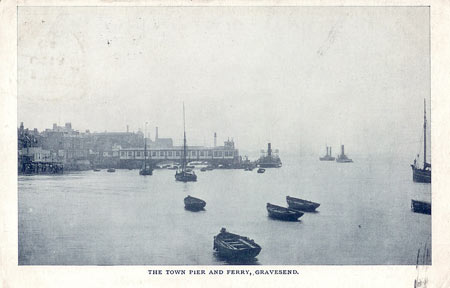
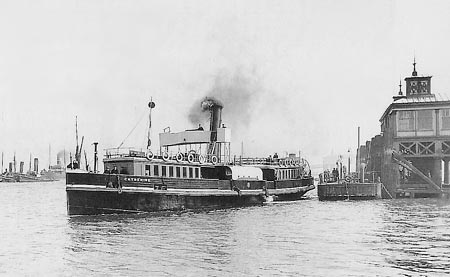
Gravesend Town Pier
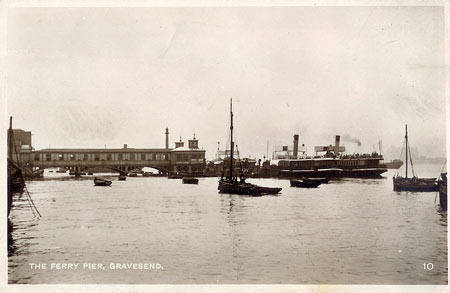
Gravesend Town Pier was
built for the local council in 1834, and was originally open-sided
apart from two small pavilions at the end. The Town Pier is the
oldest surviving cast iron pier in the world. Steamers were boarded
from a series of steps and landings. Initially services were
run by Gravesend Council. With the coming of the railway to Tilbury,
traffic increased and railway ferries also began serving the
Town Pier. A pontoon was added to allow more than one steamer
call at a time. The promenade section of the pier was also covered
in, resulting in a very attractive structure. Goods and livestock
also used this pier, but the railway considered charges to be
too high, and built the new goods pier at West Street. Gravesend
Council had lost control of the pier to receivers on their bankruptcy
in 1852, but it was not until 1884 that the Railway obtained
ownership. All ferry services switched to the West Street Pier
in 1965, and the pontoon was removed.
In 2000, the was restored by the
Gravesham Borough Council, partly funded by the organizations English
Heritage, English Partnerships, Heritage Lottery Fund, Kent County
Council, and Manifold Trust. In 2002, this renovation project was
finished.
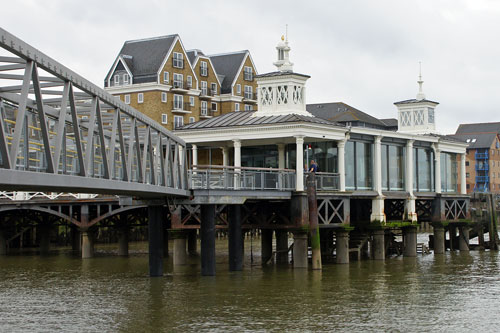
Following a further restoration,
the pier partially re-opened as the bar Riva in 2006. The latest
restoration was not finally completed until November 2007 with
the opening of the restaurant section of Riva. There is a small
public viewing area adjacent to the new restaurant at the end
of the pier. The delay in completion (the bar area near the pier
entrance had been open for some time) was problems with installing
the modern floors and large glass windows into a structure based
around the world's oldest surviving cast iron pier.
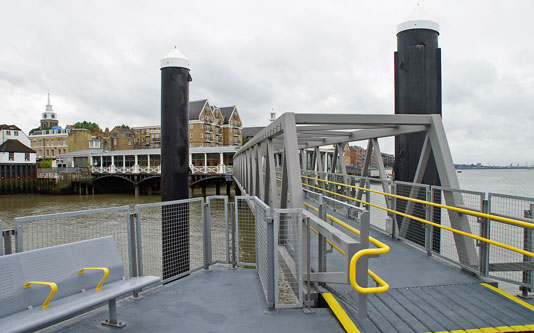
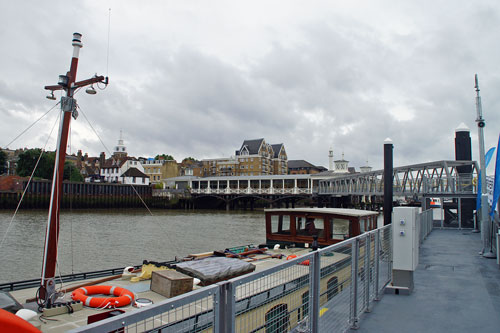
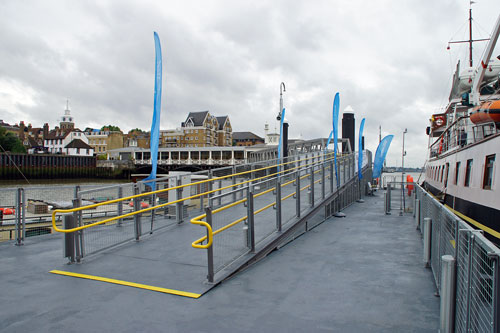
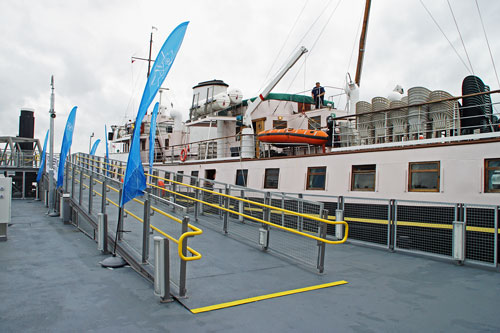
In 2012 a new
floating pontoon was installed, accessible from the end of the Town
Pier. This was used by the Balmoral excursion vessel in July 2012
instead of Tilbury Riverside which had been used previously. The Tilbury
ferry is scheduled to run form the new pontoon from 29th July 2012.
Early
photograph of
Earl
of Essex
at Gravesend Town Pier.
The
withdrawal date of
Earl of Essex is unknown, but it was
before 1880.
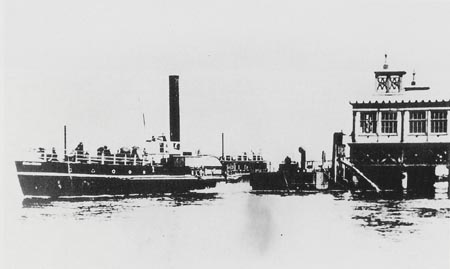
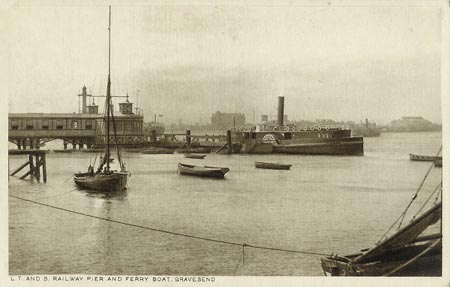
Postcard
of
Tilbury
(2)
at Gravesend Town Pier.
Image links to a larger copy
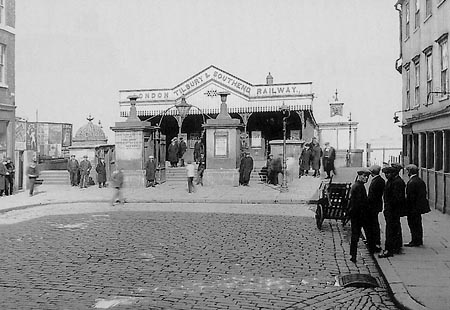
Photograph
of Gravesend Town Pier entrance in 1922.
Photo:
© NRM
Postcard
of one of the LTSR steamers at Greenwich Town Pier.
Image links to a larger copy
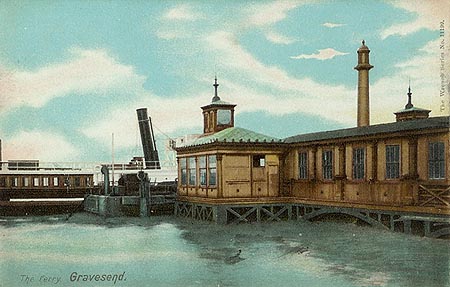
Postcard
of ferries at Gravesend Town Pier.
Image links to a larger copy
Photograph
of Catherine (1) at Gravesend Town Pier.
Photo:
© NRM
Image links to a larger copy
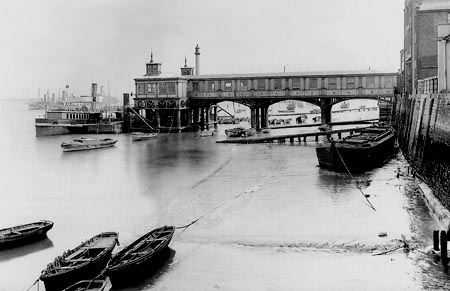
Photograph
of Rose (1) at Gravesend Town Pier.
Photo:
© NRM
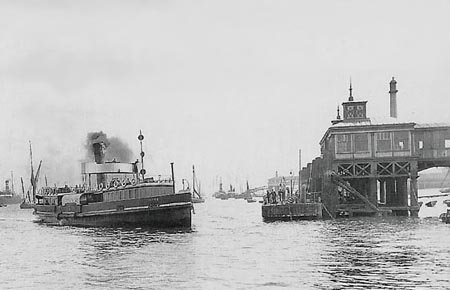
Photograph
of Catherine (1) at Gravesend Town Pier.
Photo:
© NRM
Postcard
of ferries at Gravesend Town Pier.
Image links to a larger copy
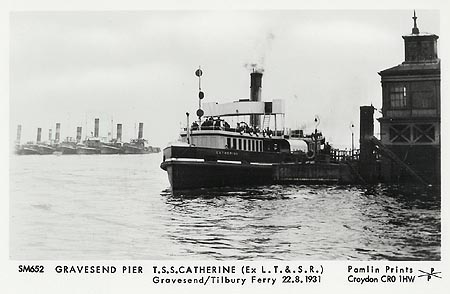
Pamlin
photographic postcard of Catherine (1) at Gravesend Town
Pier.
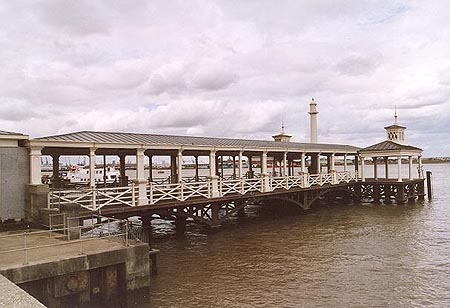
Gravesend
Town Pier in 2002, prior to latest restoration.
Photo:
© David Glasspool -
www.kentrail.co.uk
Each image links to a larger copy
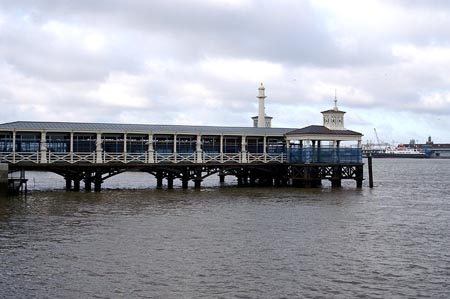
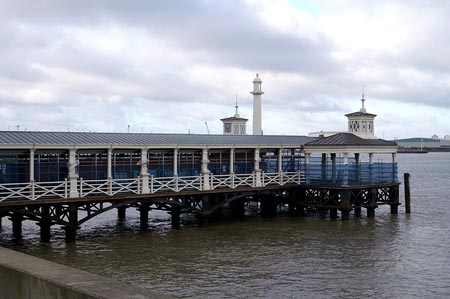
Gravesend
Town Pier
Photo:
© Ian Boyle, 13th November 2005.
Each image links to a larger copy
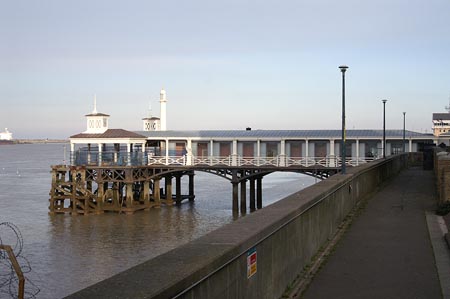
Gravesend
Town Pier
Photo:
© Ian Boyle, 12th March 2006
Each image links to a larger copy
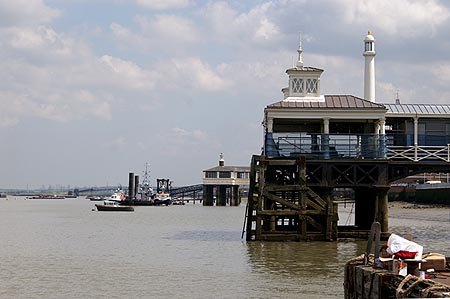
Gravesend
Town Pier - with Royal Terrace Pier in the background
Photo:
© Ian Boyle, 5th May 2006
Each image links to a larger copy
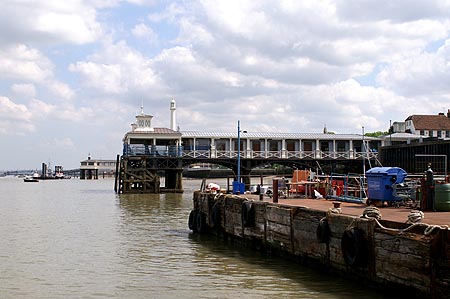
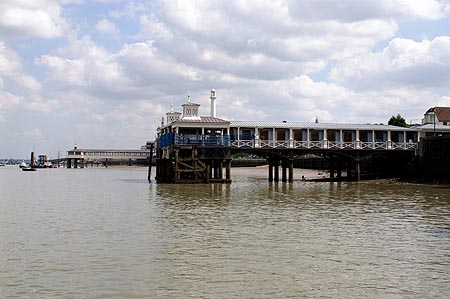
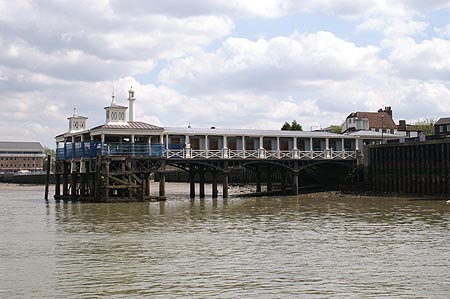
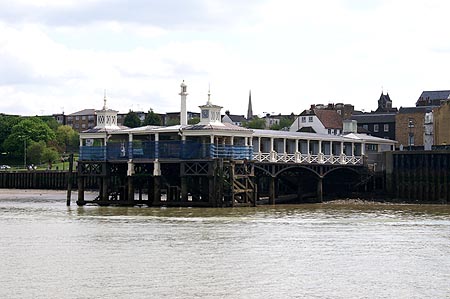
Gravesend
Town PierPhoto:
© Ian Boyle, 4th January 2007
Each image links to a larger copy
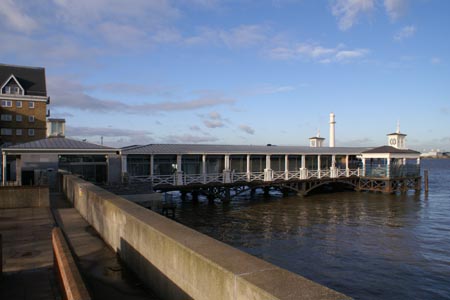
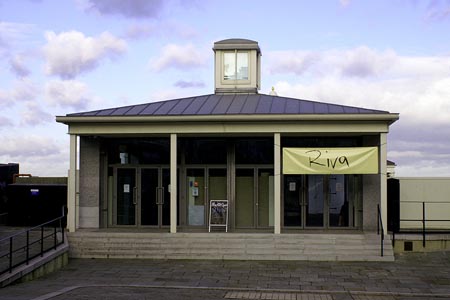
Restored
Gravesend Town Pier
Showing
public viewing area
Photo:
© Ian Boyle, 22nd January 2008
Each image links to a larger copy
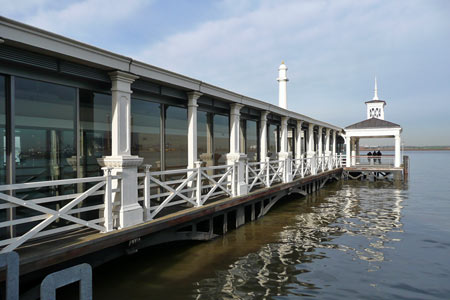
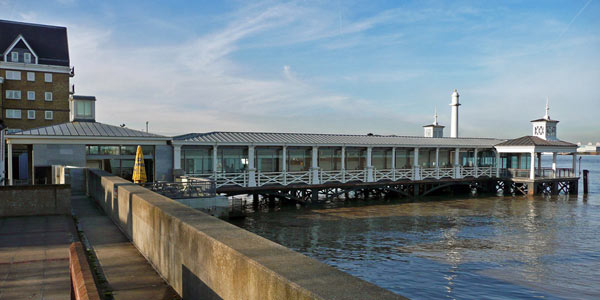
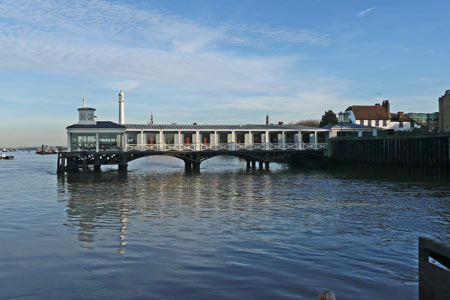
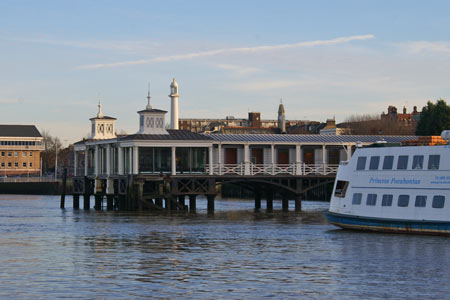
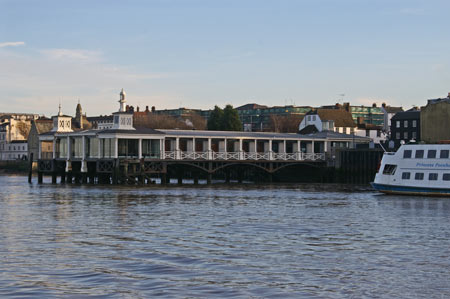
Gravesend
Town PierPhoto:
© Ian Boyle, 9th June 2008
Each image links to a larger copy
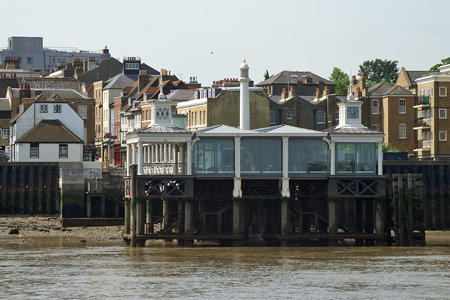
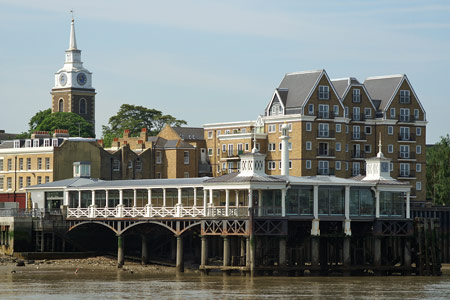
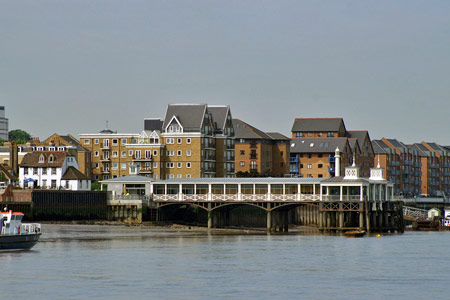
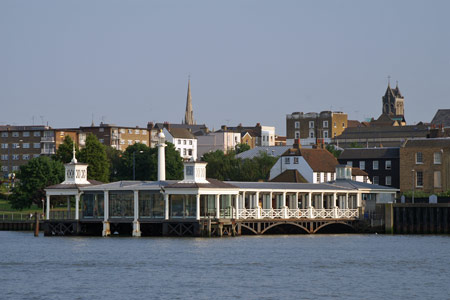
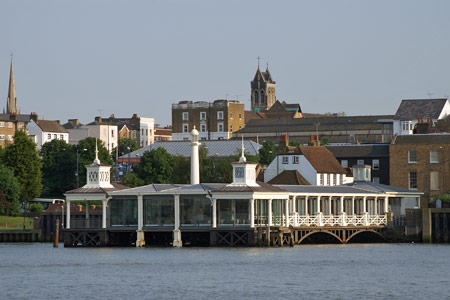
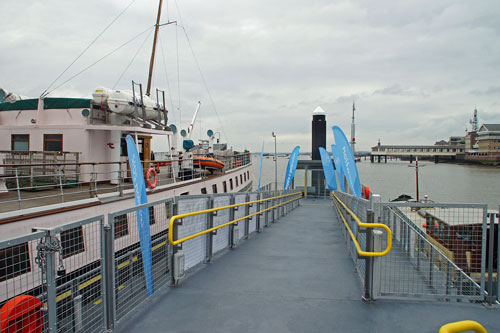
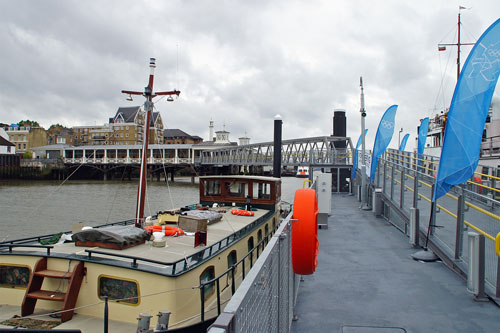
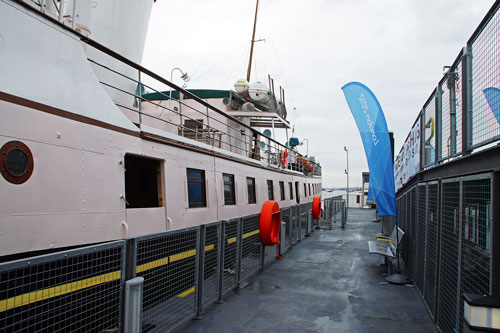
The new pontoon
installed by the Town Pier in 2012, with MV Balmoral
Photo: © Ian Boyle, 16th July 2012
Gravesend West Street
Pier
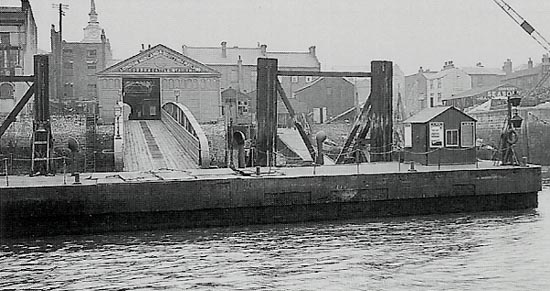
The West Street Pier was
built in 1857 for use by the railway, who acquired full ownership
in 1876. The pontoon and ramp was added by 1860. Goods and livestock
used this pier, whilst the passenger ferries continued to serve
the Town Pier. From 1906, vehicles were also landed at West Street.
Car traffic increased from 1924 when the first full car ferry
entered service, and the pier was renamed Gravesend Car Ferry
Pier. It retained its importance until 1963 when the first Dartford
Tunnel was opened, car and passenger traffic declining rapidly
thereafter. Car ferries ceased running in 1965, and the new diesel
passenger ferries transferred their terminal from the Town Pier,
the original name West Street Pier being reinstated at the same
time. The pier continues in use for the Tilbury Ferry in 2006
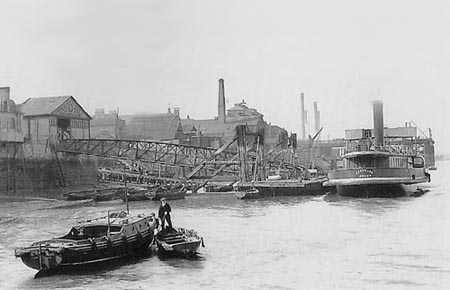
Photograph
of Gertrude at Gravesend West Street Pier, February 1922.
Photo:
© NRM
 Photograph
of Gertrude at Gravesend West Street Pier, February 1922.
Photo:
© NRM
Photograph
of Gertrude at Gravesend West Street Pier, February 1922.
Photo:
© NRM
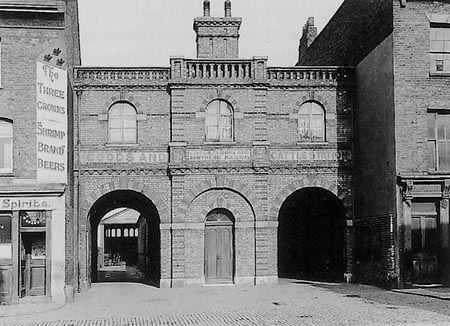
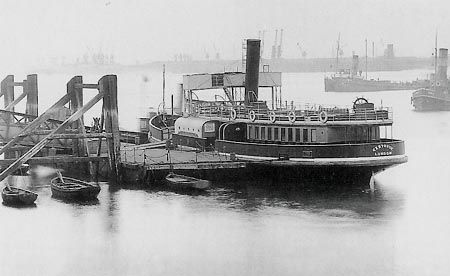 Photograph
of Gravesend West Street Pier entrance, February 1922.
Photo:
© NRM
Photograph
of Gravesend West Street Pier entrance, February 1922.
Photo:
© NRM
 Photograph
of Gravesend West Street Pier, 1932.
Photo:
© NRM
Photograph
of Gravesend West Street Pier, 1932.
Photo:
© NRM
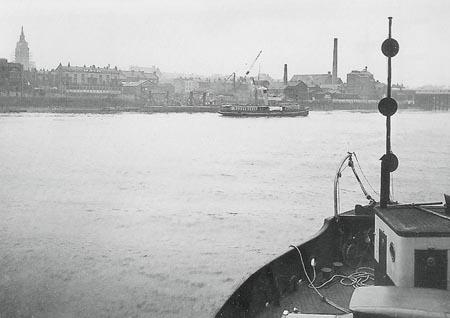
 Photograph
of Gravesend West Street Pier, 1932.
Photo:
© NRM
Photograph
of Gravesend West Street Pier, 1932.
Photo:
© NRM
 Duchess
M and
Princess Pocahontas at the West Street Pier, Gravesend.
Photo:
© Ian Boyle, 13th November 2005.
Duchess
M and
Princess Pocahontas at the West Street Pier, Gravesend.
Photo:
© Ian Boyle, 13th November 2005.
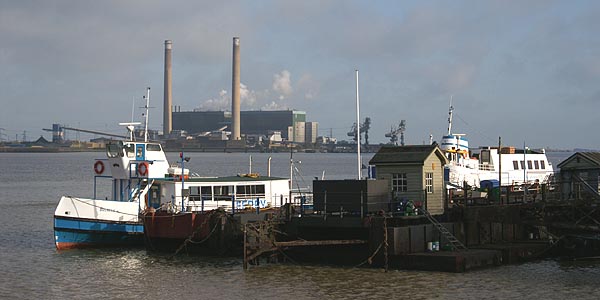 Duchess
M and
Princess Pocahontas at the West Street Pier, Gravesend.
Photo:
© Ian Boyle, 13th November 2005.
Duchess
M and
Princess Pocahontas at the West Street Pier, Gravesend.
Photo:
© Ian Boyle, 13th November 2005.
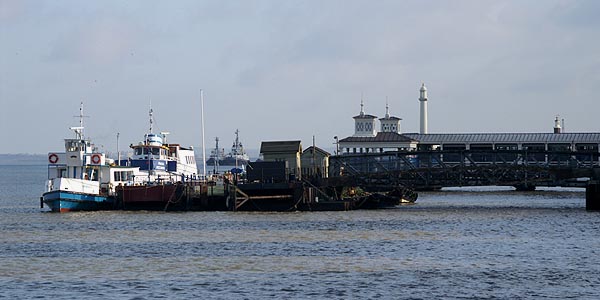 Duchess
M and
Princess Pocahontas at the West Street Pier, Gravesend.
Photo:
© Ian Boyle, 13th November 2005.
Duchess
M and
Princess Pocahontas at the West Street Pier, Gravesend.
Photo:
© Ian Boyle, 13th November 2005.
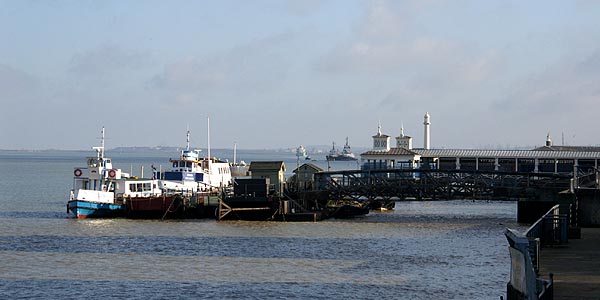 Duchess
M at
the West Street Pier, Gravesend.
Photo:
© Ian Boyle, 13th November 2005.
Click to open larger
window in a new window
Duchess
M at
the West Street Pier, Gravesend.
Photo:
© Ian Boyle, 13th November 2005.
Click to open larger
window in a new window
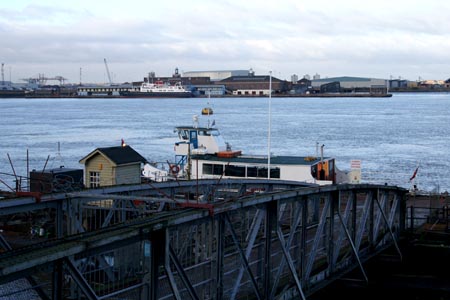 Princess
Pocahontas
at the West Street Pier, Gravesend.
Photo:
© Ian Boyle, 13th November 2005.
Click to open larger
window in a new window
Princess
Pocahontas
at the West Street Pier, Gravesend.
Photo:
© Ian Boyle, 13th November 2005.
Click to open larger
window in a new window
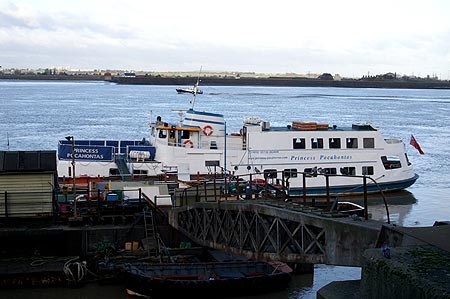 Duchess
M and
Princess Pocahontas at the West Street Pier, Gravesend.
Seen
through the Railway Pier.
Photo:
© Ian Boyle, 13th November 2005.
Duchess
M and
Princess Pocahontas at the West Street Pier, Gravesend.
Seen
through the Railway Pier.
Photo:
© Ian Boyle, 13th November 2005.
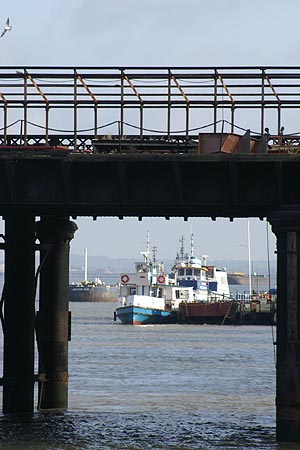 Princess
Pocahontas
at the West Street Pier in Gravesend.
Town
Pier and Millennium of London in the background.
Photo:
© Ian Boyle, 12th March 2006
Click to open larger
window in a new window
Princess
Pocahontas
at the West Street Pier in Gravesend.
Town
Pier and Millennium of London in the background.
Photo:
© Ian Boyle, 12th March 2006
Click to open larger
window in a new window
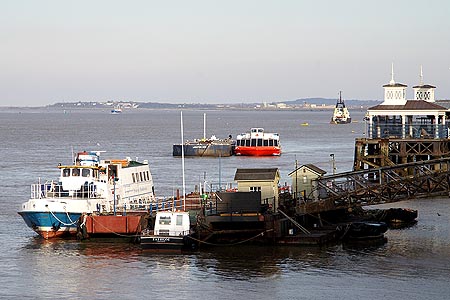 West
Street Pier in Gravesend
Photo:
© Ian Boyle, 12th March 2006
Click to open larger
window in a new window
West
Street Pier in Gravesend
Photo:
© Ian Boyle, 12th March 2006
Click to open larger
window in a new window
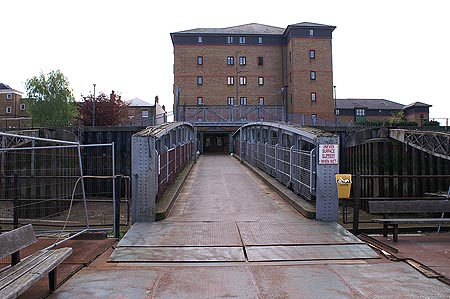 Duchess
M and
Princess Pocahontas at Gravesend West Street Pier
Photo:
© Ian Boyle, 5th May 2006
Click to open larger
image in new window
Duchess
M and
Princess Pocahontas at Gravesend West Street Pier
Photo:
© Ian Boyle, 5th May 2006
Click to open larger
image in new window
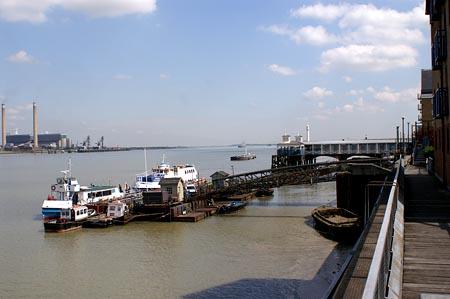 Gravesend
West Street Pier
Photo:
© Ian Boyle, 9th June 2008
Click to open larger
image in new window
Gravesend
West Street Pier
Photo:
© Ian Boyle, 9th June 2008
Click to open larger
image in new window
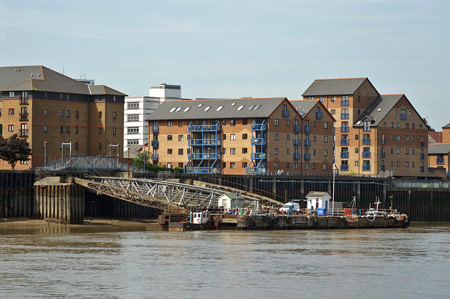
Gravesend Railway Pier
Gravesend Railway Company
opened a double track branch from the main line between Farningham
Road and Fawkham stations (London Chatham & Dover Railway
- LCDR) and Gravesend on 18th July 1881. The railway terminated
by the River Thames on West Street, adjacent to the West Street
Pier. They built a substantial pier into the river, with railway
lines running along it. The LCDR took over the railway and pier
in 1883. From 1922 until the war, the passenger/cargo steamers
of Batavier
Line used this
pier to load passengers for their Rotterdam service. Special
boat trains were operated to Victoria Station. In recent years,
the land above was used by White Horse Ferries, and two of their
trimarans remained laid up on the pier. These were removed in
2006 when the surviving viaducts and embankments to the pier
were demolished. The pier itself remains, however.
Gravesend
Railway Pier
Photo:
© Ian Boyle, 13th November 2005.
Click to open lager
image in new window
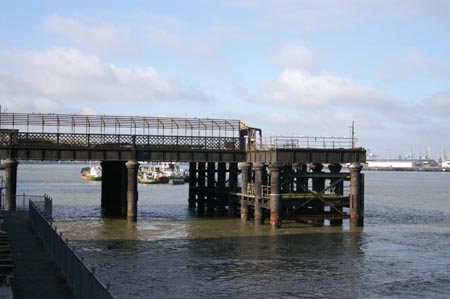 Duchess
M and
Princess Pocahontas at the West Street Pier, Gravesend.
Seen
through the Railway Pier.
Photo:
© Ian Boyle, 13th November 2005.
Uriah
Heep
laid up on the Railway Pier at Gravesend.
Photo:
© Ian Boyle, 13th November 2005.
Duchess
M and
Princess Pocahontas at the West Street Pier, Gravesend.
Seen
through the Railway Pier.
Photo:
© Ian Boyle, 13th November 2005.
Uriah
Heep
laid up on the Railway Pier at Gravesend.
Photo:
© Ian Boyle, 13th November 2005.
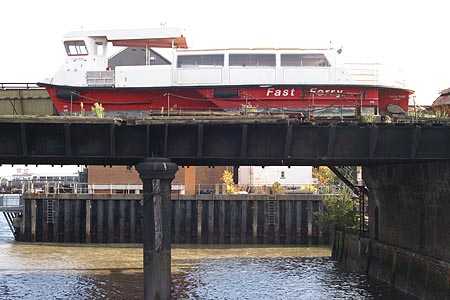 Gravesend
Railway Pier
Photo:
© Ian Boyle, 9th June 2008
Click to open larger
image in new window
Gravesend
Railway Pier
Photo:
© Ian Boyle, 9th June 2008
Click to open larger
image in new window
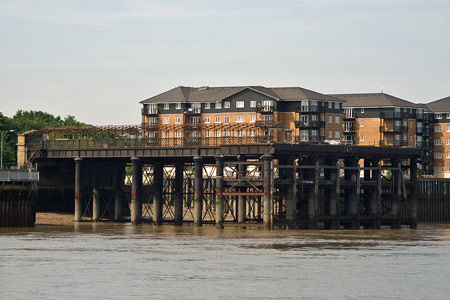
Gravesend Royal Terrace
Pier
Gravesend Royal Terrace
Pier was built in 1845, and was used by the steamers from London.
It is now used by the Port of London Authority, whose offices
straddle the entrance.
Gravesend
Royal Terrace Pier.
Photo:
© Ian Boyle, 12th March 2006
Click to open lager
image in new window
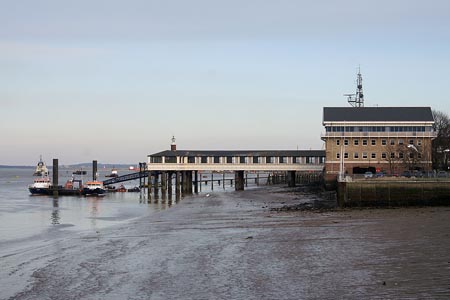 Gravesend
Royal Terrace Pier.
Photo:
© Ian Boyle, 12th March 2006
Click to open lager
image in new window
Gravesend
Royal Terrace Pier.
Photo:
© Ian Boyle, 12th March 2006
Click to open lager
image in new window
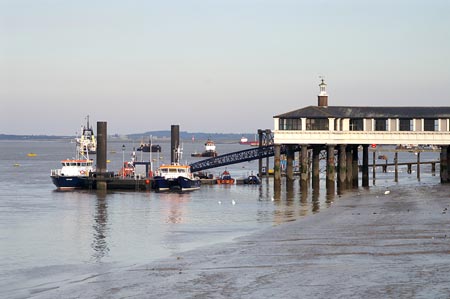 Gravesend
Royal Terrace Pier.
Photo:
Ian Boyle, 12th March 2006
Click to open lager
image in new window
Gravesend
Royal Terrace Pier.
Photo:
Ian Boyle, 12th March 2006
Click to open lager
image in new window
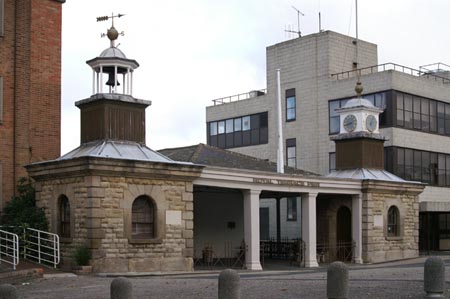 Gravesend
Royal Terrace Pier.
Photo:
© Ian Boyle, 4th January 2007
Click to open larger
image in new window
Gravesend
Royal Terrace Pier.
Photo:
© Ian Boyle, 4th January 2007
Click to open larger
image in new window
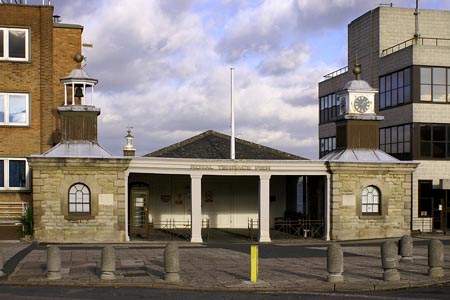 Gravesend
Royal Terrace Pier.
Photo:
Ian Boyle, 12th March 2006
Click to open lager
image in new window
Gravesend
Royal Terrace Pier.
Photo:
Ian Boyle, 12th March 2006
Click to open lager
image in new window